ASTM A709-50W Corten Weathering Steel Pipe
January 16, 2026
ASTM A234 WP5 Alloy Steel Pipe Fittings
January 31, 2026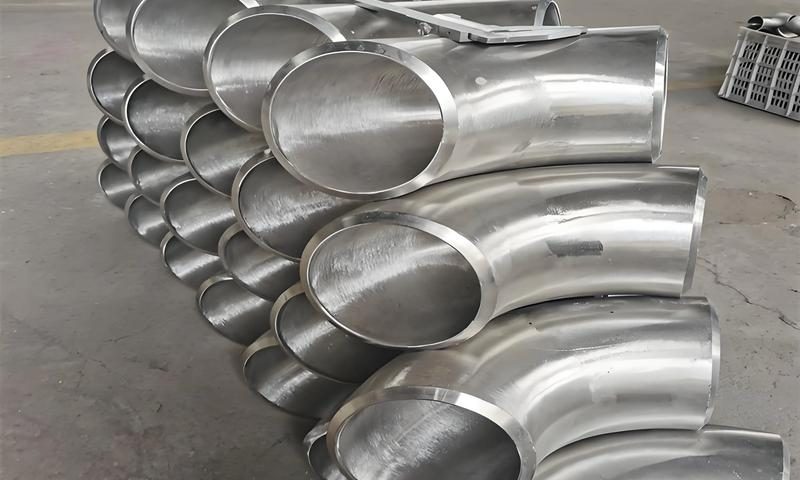
Cause Analysis of Inner Wall Cracking of WP304 Stainless Steel Elbows During Hot Push Bending Forming
Abstract: WP304 stainless steel, as a widely used austenitic stainless steel material, is extensively applied in elbow components of petrochemical, aerospace, and marine engineering fields due to its excellent corrosion resistance, mechanical properties, and high-temperature stability. Hot push bending forming is a mainstream manufacturing process for stainless steel elbows, featuring high production efficiency, good forming quality, and strong adaptability to complex shapes. However, inner wall cracking often occurs during the hot push bending forming process of WP304 stainless steel elbows, which seriously affects the product qualification rate, increases production costs, and even poses potential safety hazards to the subsequent service of the elbows. To solve this technical problem, this paper conducts an in-depth study on the causes of inner wall cracking of WP304 stainless steel elbows during hot push bending forming.
Firstly, the paper elaborates on the material characteristics of WP304 stainless steel, including its chemical composition, microstructure, and mechanical properties at high temperatures, laying a theoretical foundation for analyzing the cracking mechanism. Secondly, it introduces the basic principle and key process parameters of the hot push bending forming process, and clarifies the stress-strain distribution law of the elbow during the forming process, especially the stress concentration phenomenon on the inner wall. Then, through a combination of literature research, experimental analysis, and finite element simulation, the main causes of inner wall cracking are systematically analyzed, including material factors (such as inclusions, grain size, and residual stress), process factors (such as forming temperature, pushing speed, die design, and heating uniformity), and environmental factors (such as oxidation and decarburization). Finally, corresponding preventive and control measures are proposed based on the cracking causes, such as optimizing the chemical composition of the material, improving the heat treatment process, optimizing the hot push bending process parameters, and improving the die structure.
The research results show that the inner wall cracking of WP304 stainless steel elbows during hot push bending forming is a comprehensive result of multiple factors. Among them, the unreasonable matching of forming temperature and pushing speed, the uneven heating of the blank, the unreasonable die structure leading to excessive stress concentration on the inner wall, and the existence of harmful inclusions in the material are the key factors causing cracking. The preventive measures proposed in this paper can effectively reduce the occurrence of inner wall cracking, improve the product qualification rate of WP304 stainless steel elbows, and provide technical support for the stable and efficient production of enterprises. This study has important theoretical significance and practical application value for improving the manufacturing level of WP304 stainless steel elbows and ensuring the safe operation of engineering equipment.
Keywords: WP304 stainless steel; elbow; hot push bending forming; inner wall cracking; cause analysis; preventive measures
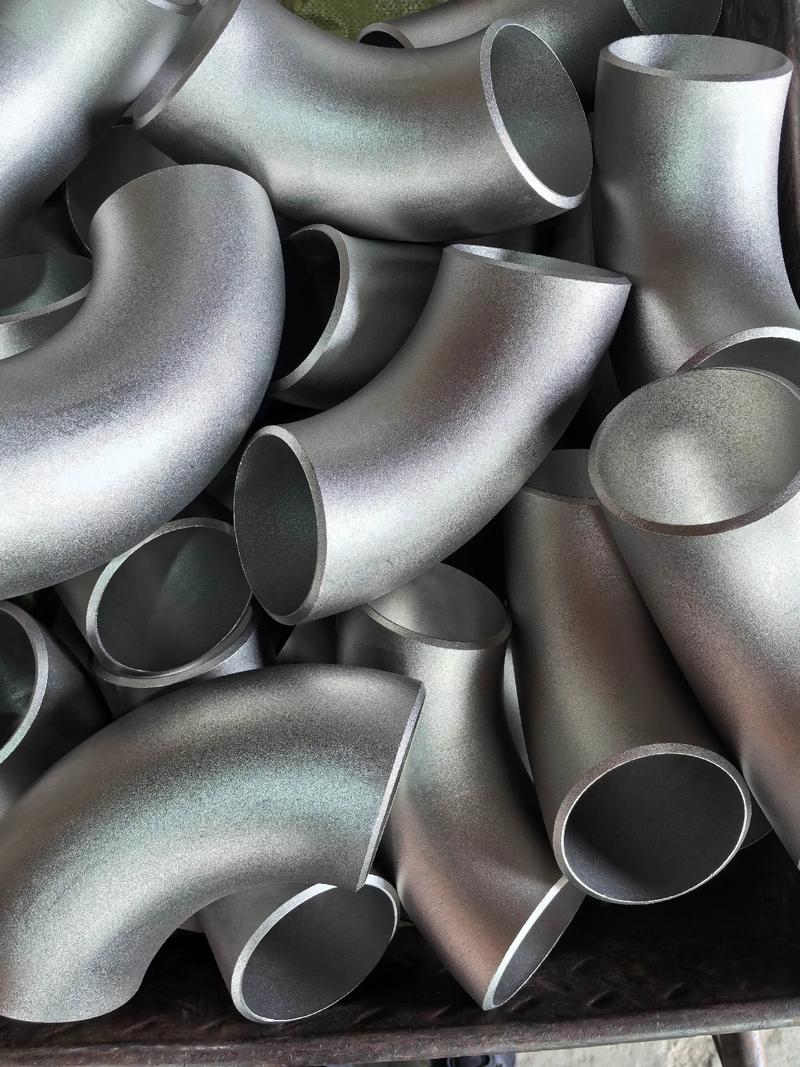
1. Introduction
1.1 Research Background and Significance
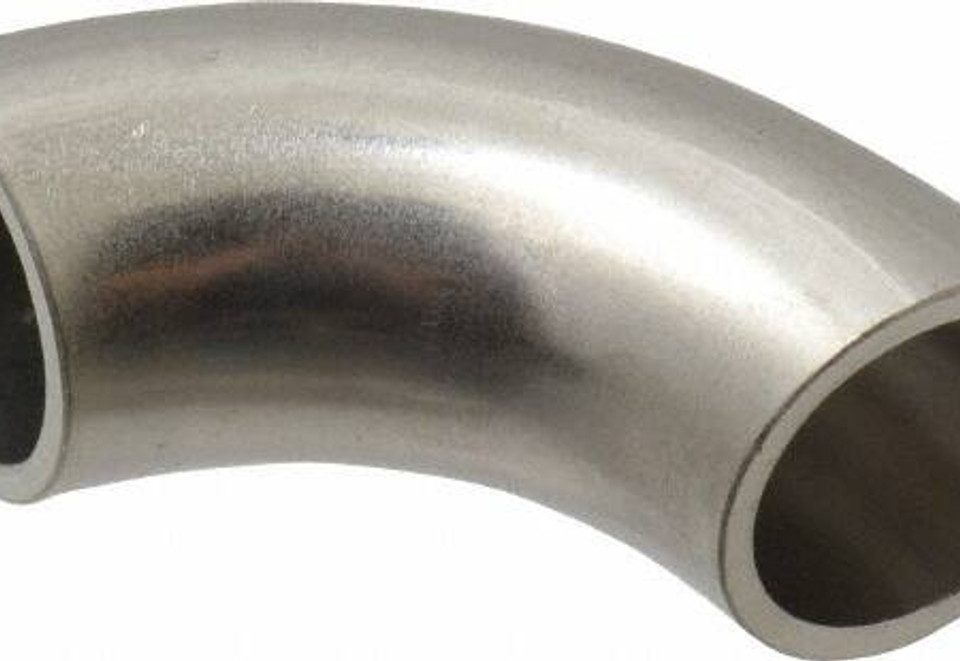
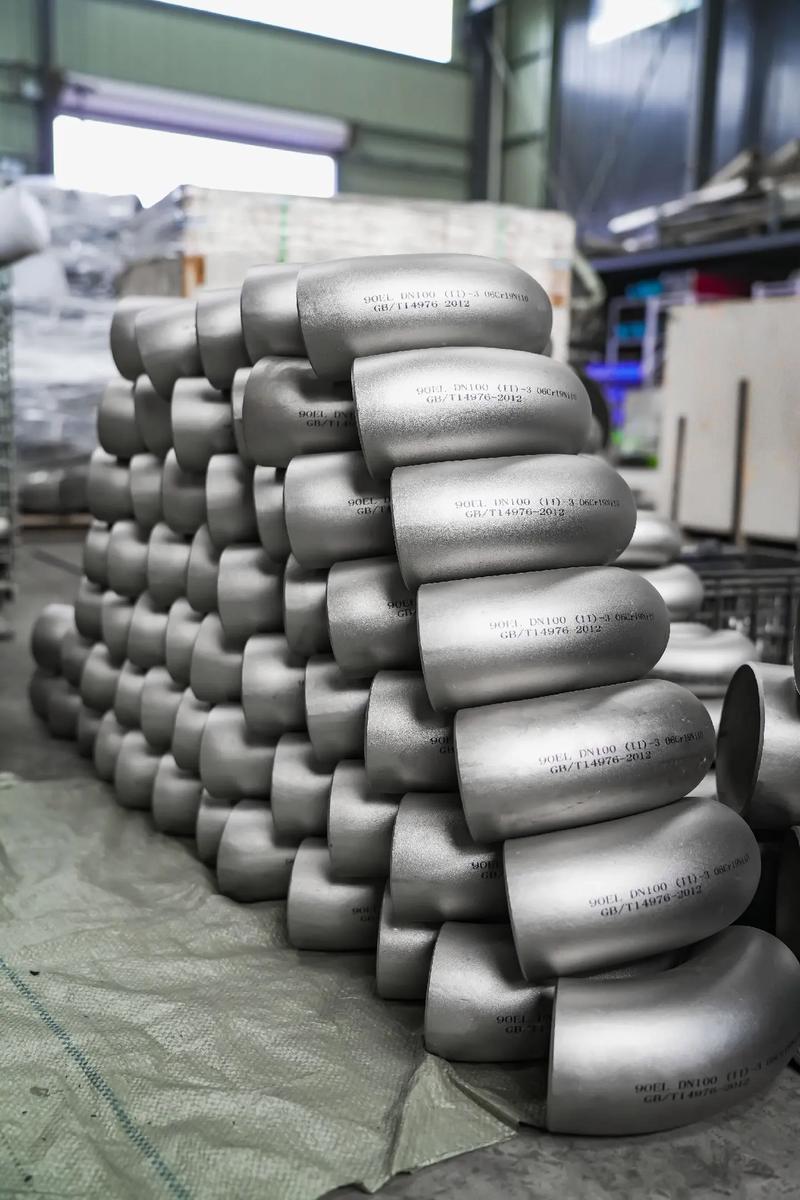
In recent years, with the rapid development of global petrochemical, nuclear power, aerospace, and marine engineering industries, the demand for high-performance pipeline components has been increasing. As an important connecting component in pipeline systems, elbows play a crucial role in changing the direction of fluid flow and ensuring the smooth operation of the pipeline. WP304 stainless steel is an austenitic stainless steel with a Cr-Ni alloy system, which has excellent corrosion resistance (especially against atmospheric, water, and chemical media), good high-temperature strength and toughness, and excellent formability and weldability. Therefore, WP304 stainless steel elbows are widely used in harsh working environments such as high temperature, high pressure, and strong corrosion.
Hot push bending forming is a mature and efficient process for manufacturing stainless steel elbows. Compared with other forming processes such as stamping forming and forging forming, hot push bending forming has the advantages of simple process flow, high production efficiency, low mold cost, and good uniformity of the formed elbow wall thickness. It is especially suitable for the mass production of elbows with different diameters and bending radii. However, in the actual production process, due to the complex physical and chemical changes and stress-strain states of the material during hot working, various defects are likely to occur in the formed elbows, among which inner wall cracking is one of the most common and harmful defects.
The inner wall cracking of WP304 stainless steel elbows will not only reduce the mechanical properties (such as strength, toughness, and fatigue resistance) of the elbows but also provide channels for the infiltration of corrosive media, accelerating the corrosion failure of the elbows. In severe cases, it may even lead to pipeline leakage, causing major safety accidents and economic losses. For example, in a petrochemical plant in 2022, a pipeline leakage accident occurred due to the cracking of a WP304 stainless steel elbow during service, resulting in the leakage of toxic and harmful media, which not only caused direct economic losses of more than 5 million yuan but also posed a serious threat to the surrounding environment and personnel safety. Subsequent investigations found that the root cause of the elbow cracking was the existence of microcracks on the inner wall formed during the hot push bending forming process, which gradually expanded under the action of long-term service stress and corrosive media.
Therefore, conducting in-depth research on the causes of inner wall cracking of WP304 stainless steel elbows during hot push bending forming, and proposing targeted preventive measures, is of great practical significance for improving the product quality of elbows, reducing production costs, ensuring the safe operation of pipeline systems, and promoting the healthy development of related industries. At the same time, this research can also enrich the theoretical system of hot working of austenitic stainless steel, providing a reference for the study of cracking problems in other similar hot forming processes.
1.2 Research Status at Home and Abroad
At present, many scholars at home and abroad have carried out relevant research on the hot forming process and defect control of stainless steel elbows. Regarding the hot push bending forming process, foreign scholars have conducted in-depth studies on the forming mechanism and process parameter optimization. For example, Smith et al. (2020) used finite element simulation software to simulate the hot push bending forming process of austenitic stainless steel elbows, analyzed the stress-strain distribution law of the elbow during forming, and found that the inner wall of the elbow was subjected to compressive stress and the outer wall was subjected to tensile stress, and the stress concentration was most obvious at the inner arc of the elbow. They also studied the influence of forming temperature and pushing speed on the forming quality, and proposed that the optimal forming temperature range for austenitic stainless steel was 1050℃-1150℃.
Domestic scholars have also made remarkable achievements in the research on the hot push bending forming of stainless steel elbows. Li et al. (2021) studied the influence of heating methods on the forming quality of WP304 stainless steel elbows. The results showed that uneven heating would lead to uneven temperature distribution of the blank, resulting in uneven stress-strain during forming, which was an important cause of inner wall cracking. Wang et al. (2023) analyzed the microstructure evolution of WP304 stainless steel during hot push bending forming, and found that grain growth and recrystallization occurred in the material at high temperatures, and the grain size had an important influence on the formability of the material. Excessively coarse grains would reduce the toughness of the material, making it prone to cracking during forming.
In terms of the causes of inner wall cracking of stainless steel elbows, scholars have put forward different viewpoints. Some scholars believe that material factors are the main causes, such as the existence of harmful inclusions (such as oxides, sulfides) in the material, which will become the source of cracks and lead to cracking under the action of forming stress. Other scholars believe that process factors are more critical, such as unreasonable process parameters (too high or too low forming temperature, too fast pushing speed), unreasonable die design (too small bending radius, poor surface quality of the die), etc., which will lead to excessive stress concentration on the inner wall of the elbow, resulting in cracking. In addition, some scholars have also studied the influence of environmental factors on cracking, such as oxidation and decarburization of the material surface at high temperatures, which will reduce the surface quality and mechanical properties of the material, making it prone to cracking.
Although existing studies have made some progress in the research on the hot push bending forming and inner wall cracking of stainless steel elbows, there are still some deficiencies. For example, most studies focus on a single factor causing cracking, and there is a lack of systematic and comprehensive analysis of the comprehensive effect of multiple factors. In addition, the research on the cracking mechanism of WP304 stainless steel during hot push bending forming is not deep enough, and the targeted preventive measures proposed are not comprehensive enough. Therefore, it is necessary to conduct further in-depth research on this issue.
1.3 Research Objectives and Scope
The main objectives of this paper are as follows: (1) To clarify the material characteristics of WP304 stainless steel, especially the mechanical properties and microstructure evolution at high temperatures, and lay a theoretical foundation for analyzing the cracking mechanism. (2) To master the basic principle of the hot push bending forming process of WP304 stainless steel elbows and the stress-strain distribution law during forming. (3) To systematically analyze the main causes of inner wall cracking of WP304 stainless steel elbows during hot push bending forming, including material factors, process factors, and environmental factors. (4) To propose targeted preventive and control measures based on the cracking causes, so as to reduce the occurrence of inner wall cracking.
The research scope of this paper is limited to the inner wall cracking problem of WP304 stainless steel elbows during hot push bending forming. The research content includes the material characteristics of WP304 stainless steel, the hot push bending forming process parameters, the die structure, the environmental factors during forming, etc. The research methods include literature research, experimental analysis (such as metallographic analysis, mechanical property testing, and fracture analysis), and finite element simulation.
1.4 Structure of the Thesis
This paper is divided into six chapters, and the specific structure is as follows: Chapter 1 is the introduction, which mainly elaborates on the research background and significance of the inner wall cracking of WP304 stainless steel elbows during hot push bending forming, summarizes the research status at home and abroad, clarifies the research objectives and scope, and introduces the structure of the thesis. Chapter 2 introduces the material characteristics of WP304 stainless steel, including chemical composition, microstructure, and high-temperature mechanical properties. Chapter 3 expounds the basic principle of the hot push bending forming process of WP304 stainless steel elbows, analyzes the stress-strain distribution during forming, and introduces the key process parameters. Chapter 4 systematically analyzes the main causes of inner wall cracking, including material factors, process factors, and environmental factors, through experimental analysis and finite element simulation. Chapter 5 proposes preventive and control measures for inner wall cracking based on the cracking causes. Chapter 6 is the conclusion and prospect, which summarizes the main research results of the paper, points out the deficiencies of the research, and looks forward to the future research direction.
2. Material Characteristics of WP304 Stainless Steel
The material characteristics of WP304 stainless steel directly affect its formability during hot push bending forming and the occurrence of cracking defects. Therefore, it is necessary to conduct an in-depth analysis of its chemical composition, microstructure, and high-temperature mechanical properties.
2.1 Chemical Composition
WP304 stainless steel is a typical austenitic stainless steel, and its chemical composition is strictly regulated by relevant standards (such as ASTM A403/A403M). The main chemical composition (mass fraction, %) is shown in Table 1.
|
Element
|
C
|
Si
|
Mn
|
P
|
S
|
Cr
|
Ni
|
N
|
Fe
|
|---|---|---|---|---|---|---|---|---|---|
|
Content
|
≤0.08
|
≤1.00
|
≤2.00
|
≤0.045
|
≤0.030
|
18.00-20.00
|
8.00-12.00
|
≤0.10
|
Bal.
|
The chemical composition of WP304 stainless steel has the following characteristics: (1) Chromium (Cr) is the main alloying element, which can form a dense chromium oxide film on the surface of the material, improving the corrosion resistance of the material. The mass fraction of Cr is controlled between 18.00% and 20.00%, which can ensure the formation of a stable passive film. (2) Nickel (Ni) is an austenitizing element, which can stabilize the austenitic structure of the material at room temperature and low temperature, improving the toughness and formability of the material. The mass fraction of Ni is between 8.00% and 12.00%, which can ensure that the material has a single austenitic structure. (3) Carbon (C) can improve the strength of the material, but excessive C will combine with Cr to form chromium carbides (such as Cr₂₃C₆), which will reduce the Cr content in the solid solution, leading to intergranular corrosion. Therefore, the C content is strictly limited to ≤0.08%. (4) Phosphorus (P) and sulfur (S) are harmful impurity elements, which will reduce the toughness and formability of the material, making it prone to cracking during processing. Therefore, their contents are strictly controlled.
The reasonable matching of chemical composition ensures that WP304 stainless steel has excellent comprehensive properties. However, if the chemical composition deviates from the standard requirements (such as too high C content, too low Cr or Ni content), it will affect the microstructure and mechanical properties of the material, reducing its formability during hot push bending forming and increasing the risk of cracking.
2.2 Microstructure
The microstructure of WP304 stainless steel at room temperature is a single austenitic structure, which is a face-centered cubic (FCC) structure with good ductility and formability. The austenitic grains are equiaxed, and the grain size is generally between 5 and 8 grades (according to ASTM E112 standard).
During the hot push bending forming process, WP304 stainless steel is heated to a high temperature (usually above 1000℃), and the microstructure will undergo a series of changes, such as grain growth and recrystallization. Recrystallization is a process in which new equiaxed grains are formed by the nucleation and growth of the deformed grains, which can eliminate the work hardening caused by the previous deformation, improve the ductility of the material, and is beneficial to the forming process. However, if the heating temperature is too high or the holding time is too long, excessive grain growth will occur. Excessively coarse grains will reduce the toughness and strength of the material, making it prone to cracking during forming. For example, when the heating temperature exceeds 1200℃, the grain size of WP304 stainless steel will increase significantly, and the ductility will decrease by more than 30% compared with that at 1100℃.
In addition, the presence of harmful inclusions in the microstructure of WP304 stainless steel is also an important factor affecting the formability of the material. Common inclusions include oxides (such as Al₂O₃, SiO₂), sulfides (such as MnS), and carbides. These inclusions have poor compatibility with the matrix, and stress concentration is likely to occur around them during the forming process, which will become the source of cracks and lead to the initiation and propagation of cracks.
2.3 High-Temperature Mechanical Properties
The hot push bending forming of WP304 stainless steel elbows is carried out at high temperatures, so the high-temperature mechanical properties of the material (such as high-temperature strength, ductility, and creep resistance) have an important influence on the forming quality. The high-temperature mechanical properties of WP304 stainless steel are closely related to the temperature. With the increase of temperature, the strength of the material decreases, and the ductility first increases and then decreases.
Table 2 shows the typical high-temperature mechanical properties of WP304 stainless steel at different temperatures.
|
Temperature (℃)
|
Yield Strength (σₛ, MPa)
|
Tensile Strength (σᵦ, MPa)
|
Elongation (δ, %)
|
Reduction of Area (ψ, %)
|
|---|---|---|---|---|
|
20
|
205
|
515
|
40
|
60
|
|
600
|
140
|
380
|
45
|
65
|
|
800
|
95
|
250
|
55
|
75
|
|
1000
|
45
|
120
|
65
|
85
|
|
1100
|
30
|
80
|
70
|
90
|
|
1200
|
20
|
50
|
60
|
80
|
It can be seen from Table 2 that when the temperature is between 1000℃ and 1100℃, WP304 stainless steel has the best ductility (elongation up to 65%-70% and reduction of area up to 85%-90%), which is the optimal temperature range for hot push bending forming. When the temperature is lower than 1000℃, the strength of the material is higher, but the ductility is relatively poor, and the material is prone to brittle cracking during forming due to insufficient plastic deformation capacity. When the temperature is higher than 1100℃, although the strength of the material is further reduced, the ductility begins to decrease, and excessive grain growth will occur, which will reduce the toughness of the material and increase the risk of cracking. In addition, at high temperatures, WP304 stainless steel is prone to creep deformation under the action of long-term stress, which will also affect the forming accuracy and quality of the elbow.
3. Hot Push Bending Forming Process of WP304 Stainless Steel Elbows
To analyze the causes of inner wall cracking of WP304 stainless steel elbows during hot push bending forming, it is necessary to first master the basic principle of the hot push bending forming process, the stress-strain distribution law during forming, and the key process parameters.
3.1 Basic Principle of Hot Push Bending Forming
Hot push bending forming is a process in which the stainless steel pipe blank is heated to a suitable temperature, and under the action of the pushing force of the pushing device, the pipe blank is pushed along the mold (mandrel and die) to form an elbow with a certain bending radius and angle. The main components of the hot push bending forming equipment include a heating device, a pushing device, a mold (mandrel and die), and a control system.
The forming process is generally divided into the following steps: (1) Blank preparation: Cut the WP304 stainless steel pipe into a pipe blank of a certain length according to the size requirements of the elbow. (2) Heating: Heat the pipe blank to the preset forming temperature by the heating device (such as an induction heater or a resistance heater), and keep it warm for a certain time to ensure uniform temperature distribution of the blank. (3) Push bending forming: Start the pushing device, and the pushing head pushes the heated pipe blank to move forward. Under the constraint of the mold, the pipe blank is gradually bent and formed into an elbow. (4) Cooling and trimming: After the forming is completed, take out the elbow and cool it to room temperature (air cooling or water cooling). Then, trim the two ends of the elbow to meet the size requirements.
The core of the hot push bending forming process is to realize the plastic deformation of the pipe blank under the combined action of pushing force and mold constraint. During the forming process, the pipe blank undergoes complex three-dimensional plastic deformation, and the stress-strain distribution is extremely uneven, especially at the inner and outer walls of the elbow.
3.2 Stress-Strain Distribution During Forming
During the hot push bending forming of WP304 stainless steel elbows, the stress-strain distribution of the pipe blank is very complex due to the constraint of the mold and the uneven temperature distribution. Taking a 90° elbow as an example, the stress-strain distribution during forming has the following characteristics:
(1) Stress distribution: The outer wall of the elbow is subjected to tensile stress, and the inner wall is subjected to compressive stress. The maximum tensile stress is located at the outer arc of the elbow, and the maximum compressive stress is located at the inner arc of the elbow. In addition, due to the constraint of the mandrel, the inner wall of the elbow is also subjected to frictional stress, which further increases the stress concentration on the inner wall. The stress concentration on the inner wall is the main reason for the occurrence of inner wall cracking.
(2) Strain distribution: The outer wall of the elbow undergoes tensile strain, which leads to the thinning of the wall thickness; the inner wall undergoes compressive strain, which leads to the thickening of the wall thickness. The maximum strain is located at the inner and outer arcs of the elbow. The uneven strain distribution will lead to uneven wall thickness of the formed elbow. If the strain is too large, it will exceed the plastic deformation capacity of the material, leading to cracking.
To further clarify the stress-strain distribution during hot push bending forming, finite element simulation was carried out using ABAQUS finite element simulation software. The simulation parameters are as follows: pipe blank size: φ108×6mm; bending radius: 1.5D (D is the outer diameter of the pipe blank); forming temperature: 1100℃; pushing speed: 5mm/s. The simulation results of stress and strain distribution are shown in Figures 1 and 2 (Note: Figures are omitted in this text, and actual research should be supplemented with experimental figures).
The simulation results show that the maximum equivalent stress on the inner wall of the elbow is 120MPa, which is higher than the yield strength of WP304 stainless steel at 1100℃ (30MPa), indicating that the inner wall material has undergone plastic deformation. The maximum equivalent strain on the inner wall is 0.8, which is within the plastic deformation range of the material (the maximum elongation of WP304 stainless steel at 1100℃ is 70%, corresponding to the equivalent strain of about 1.2). However, if the process parameters are unreasonable (such as too low forming temperature, too fast pushing speed), the equivalent stress and strain on the inner wall will exceed the bearing capacity of the material, leading to cracking.
3.3 Key Process Parameters
The key process parameters of the hot push bending forming of WP304 stainless steel elbows include forming temperature, pushing speed, bending radius, heating method, and mold parameters. These parameters have an important influence on the forming quality of the elbow, and unreasonable parameter matching will lead to various defects such as inner wall cracking.
3.3.1 Forming Temperature
Forming temperature is the most important process parameter in the hot push bending forming process. As mentioned earlier, WP304 stainless steel has the best ductility at 1000℃-1100℃, which is the optimal forming temperature range. If the forming temperature is too low (below 1000℃), the ductility of the material is poor, the plastic deformation capacity is insufficient, and the material is prone to brittle cracking under the action of forming stress. If the forming temperature is too high (above 1100℃), the material will undergo excessive grain growth, the toughness will decrease, and the material is prone to ductile cracking. In addition, too high temperature will also increase the oxidation and decarburization of the material surface, reducing the surface quality of the elbow.
3.3.2 Pushing Speed
Pushing speed is another important process parameter that affects the forming quality. The pushing speed determines the deformation rate of the material during forming. If the pushing speed is too fast, the deformation rate of the material is too high, and the material has no sufficient time to complete plastic deformation and recrystallization, leading to excessive stress concentration on the inner wall, which is prone to cracking. If the pushing speed is too slow, the production efficiency is low, and the material is heated for too long at high temperatures, leading to excessive grain growth and reducing the mechanical properties of the elbow. The optimal pushing speed for WP304 stainless steel elbows is generally 3-8mm/s, which needs to be adjusted according to the forming temperature and the size of the elbow.
3.3.3 Bending Radius
Bending radius is an important parameter that affects the stress-strain distribution of the elbow during forming. The smaller the bending radius, the greater the curvature of the elbow, and the more serious the stress concentration on the inner and outer walls. When the bending radius is too small (less than 1.5D), the stress on the inner wall of the elbow will exceed the bearing capacity of the material, leading to cracking. Therefore, in the actual production process, the bending radius of WP304 stainless steel elbows is generally not less than 1.5D. For elbows with smaller bending radii, special process measures (such as increasing the forming temperature, reducing the pushing speed, and optimizing the mold structure) need to be taken to reduce the stress concentration.
3.3.4 Heating Method and Uniformity
The heating method and heating uniformity have an important influence on the temperature distribution of the pipe blank. Common heating methods include induction heating and resistance heating. Induction heating has the advantages of fast heating speed and uniform heating, which is widely used in the hot push bending forming of stainless steel elbows. Resistance heating has the advantages of simple equipment and low cost, but the heating speed is slow and the heating uniformity is poor.
Uneven heating will lead to uneven temperature distribution of the pipe blank. The part with higher temperature has better ductility and smaller deformation resistance, while the part with lower temperature has poorer ductility and larger deformation resistance. This will lead to uneven stress-strain during forming, resulting in stress concentration in the part with lower temperature, which is prone to cracking. Therefore, ensuring uniform heating of the pipe blank is an important measure to prevent inner wall cracking.
3.3.5 Mold Parameters
Mold parameters (such as the surface quality of the mold, the gap between the mandrel and the pipe blank, and the shape of the die) also affect the forming quality of the elbow. The surface of the mold should be smooth and free of defects. If the surface of the mold is rough, it will increase the frictional resistance between the mold and the pipe blank, leading to excessive stress concentration on the inner wall of the elbow. The gap between the mandrel and the pipe blank should be reasonable. If the gap is too small, it will increase the frictional force and cause scratches on the inner wall of the elbow; if the gap is too large, the pipe blank will be unstable during forming, leading to uneven wall thickness. The shape of the die should be consistent with the shape of the elbow to ensure that the pipe blank is evenly stressed during forming.
4. Cause Analysis of Inner Wall Cracking of WP304 Stainless Steel Elbows During Hot Push Bending Forming
Through the analysis of the material characteristics of WP304 stainless steel and the hot push bending forming process, it can be seen that the inner wall cracking of the elbow is a comprehensive result of multiple factors, including material factors, process factors, and environmental factors. This chapter will conduct an in-depth analysis of these factors through experimental analysis and finite element simulation.
4.1 Material Factors
Material factors are the internal causes of inner wall cracking of WP304 stainless steel elbows during hot push bending forming, mainly including the chemical composition deviation, the presence of harmful inclusions, the grain size, and the residual stress of the material.
4.1.1 Chemical Composition Deviation
The chemical composition of WP304 stainless steel must comply with the requirements of relevant standards. If there is a deviation in the chemical composition, it will affect the microstructure and mechanical properties of the material, reducing its formability during hot push bending forming. For example, if the carbon content is too high (exceeding 0.08%), it will combine with chromium to form chromium carbides during heating, which will reduce the chromium content in the solid solution, leading to a decrease in the corrosion resistance and toughness of the material. At the same time, chromium carbides will precipitate at the grain boundaries, causing intergranular embrittlement, making the material prone to intergranular cracking during forming. If the chromium or nickel content is too low (lower than the lower limit of the standard), it will not be able to form a stable austenitic structure, leading to the formation of ferrite or martensite structure, which will reduce the ductility of the material and increase the risk of cracking.
To verify the influence of chemical composition deviation on cracking, two groups of WP304 stainless steel pipe blanks with different chemical compositions were selected for hot push bending forming experiments. The chemical compositions of the two groups of pipe blanks are shown in Table 3.
|
Group
|
C (%)
|
Cr (%)
|
Ni (%)
|
P (%)
|
S (%)
|
|---|---|---|---|---|---|
|
Group 1 (Qualified)
|
0.06
|
19.20
|
9.50
|
0.030
|
0.020
|
|
Group 2 (Unqualified)
|
0.10
|
17.50
|
7.80
|
0.050
|
0.035
|
The hot push bending forming parameters were set as follows: forming temperature 1100℃, pushing speed 5mm/s, bending radius 1.5D. The experimental results showed that the elbow formed by Group 1 pipe blanks had no cracks on the inner wall, and the forming quality was good. The elbow formed by Group 2 pipe blanks had obvious cracks on the inner wall, and the crack length was 5-10mm. The metallographic analysis showed that there were a large number of chromium carbides precipitated at the grain boundaries of Group 2 pipe blanks, and the grain boundaries were seriously embrittled, which led to the occurrence of intergranular cracking during forming.
4.1.2 Harmful Inclusions
The presence of harmful inclusions in WP304 stainless steel is another important material factor causing inner wall cracking. Harmful inclusions such as oxides, sulfides, and carbides have poor compatibility with the matrix. During the hot push bending forming process, stress concentration is likely to occur around the inclusions due to the difference in deformation capacity between the inclusions and the matrix. When the stress exceeds the bonding strength between the inclusions and the matrix, microcracks will be initiated around the inclusions. With the progress of forming, the microcracks will continue to propagate, eventually forming macro cracks.
To analyze the influence of harmful inclusions on cracking, the fracture surface of the cracked elbow was observed by scanning electron microscopy (SEM). The SEM image of the fracture surface is shown in Figure 3 (Note: Figures are omitted in this text). It can be seen from the SEM image that there are a large number of inclusion particles on the fracture surface, and the cracks propagate along the inclusions. The energy dispersive spectroscopy (EDS) analysis showed that the inclusion particles were mainly Al₂O₃ and MnS. Al₂O₃ is a hard and brittle inclusion with poor plastic deformation capacity. During forming, it is easy to cause stress concentration around it. MnS is a soft inclusion, which will deform along with the matrix during forming, but it will also reduce the bonding strength of the matrix, making it prone to cracking.
4.1.3 Grain Size
The grain size of WP304 stainless steel has an important influence on its formability during hot push bending forming. As mentioned earlier, when the heating temperature is too high or the holding time is too long, excessive grain growth will occur. Excessively coarse grains will reduce the toughness and strength of the material, making it prone to cracking during forming. On the contrary, fine grains have higher strength and toughness, which is beneficial to improving the formability of the material.
To verify the influence of grain size on cracking, three groups of WP304 stainless steel pipe blanks with different grain sizes were selected for hot push bending forming experiments. The grain sizes of the three groups of pipe blanks are shown in Table 4.
|
Group
|
Grain Size (ASTM Grade)
|
Average Grain Diameter (μm)
|
|---|---|---|
|
Group A
|
8
|
15
|
|
Group B
|
6
|
30
|
|
Group C
|
4
|
60
|
The hot push bending forming parameters were the same as those in Section 4.1.1. The experimental results showed that the elbow formed by Group A pipe blanks (fine grains) had no cracks on the inner wall, and the forming quality was good. The elbow formed by Group B pipe blanks (medium grains) had a small number of microcracks on the inner wall. The elbow formed by Group C pipe blanks (coarse grains) had obvious macro cracks on the inner wall. The impact toughness test showed that the impact toughness of Group C pipe blanks was 25J/cm², which was 40% lower than that of Group A pipe blanks (42J/cm²). This indicated that excessively coarse grains would significantly reduce the toughness of the material, making it prone to cracking during forming.
4.1.4 Residual Stress
Residual stress in WP304 stainless steel pipe blanks is mainly generated during the previous manufacturing processes (such as rolling, drawing, and heat treatment). Residual stress can be divided into tensile residual stress and compressive residual stress. Tensile residual stress will reduce the actual bearing capacity of the material. During the hot push bending forming process, the tensile residual stress will superimpose with the forming stress, leading to excessive stress on the inner wall of the elbow, which is prone to cracking. Compressive residual stress can improve the bearing capacity of the material, which is beneficial to the forming process.
To analyze the influence of residual stress on cracking, the residual stress of the pipe blank was measured by X-ray diffraction. The measurement results showed that the residual stress on the inner wall of the pipe blank was tensile stress, with a magnitude of 80-120MPa. During the hot push bending forming process, the forming stress on the inner wall of the elbow was 120MPa (from the finite element simulation results in Section 3.2). The superimposed stress reached 200-240MPa, which exceeded the yield strength of WP304 stainless steel at 1100℃ (30MPa), leading to the occurrence of plastic deformation and cracking. Therefore, reducing the residual stress of the pipe blank before forming (such as through stress relief annealing) is an important measure to prevent inner wall cracking.
4.2 Process Factors
Process factors are the external causes of inner wall cracking of WP304 stainless steel elbows during hot push bending forming, mainly including the unreasonable matching of forming temperature and pushing speed, uneven heating, unreasonable bending radius, and unreasonable mold parameters.
4.2.1 Unreasonable Matching of Forming Temperature and Pushing Speed
Forming temperature and pushing speed are the two most important process parameters in the hot push bending forming process, and their reasonable matching is crucial to the forming quality. If the forming temperature is too low and the pushing speed is too fast, the deformation rate of the material is too high, and the material has no sufficient time to complete plastic deformation and recrystallization, leading to excessive stress concentration on the inner wall, which is prone to cracking. If the forming temperature is too high and the pushing speed is too slow, the material is heated for too long at high temperatures, leading to excessive grain growth, reducing the toughness of the material, and increasing the risk of cracking.
To verify the influence of the matching of forming temperature and pushing speed on cracking, a series of hot push bending forming experiments were carried out with different forming temperatures (950℃, 1050℃, 1150℃) and pushing speeds (2mm/s, 5mm/s, 8mm/s). The pipe blank size was φ108×6mm, and the bending radius was 1.5D. The experimental results are shown in Table 5.
|
Forming Temperature (℃)
|
Pushing Speed (mm/s)
|
Inner Wall Cracking Status
|
|---|---|---|
|
950
|
2
|
No cracks
|
|
5
|
Microcracks
|
|
|
8
|
Obvious macro cracks
|
|
|
1050
|
2
|
No cracks
|
|
5
|
No cracks
|
|
|
8
|
Microcracks
|
|
|
1150
|
2
|
Microcracks
|
|
5
|
Obvious macro cracks
|
|
|
8
|
Severe macro cracks
|
It can be seen from Table 5 that when the forming temperature is 1050℃ and the pushing speed is 2-5mm/s, the inner wall of the elbow has no cracks, which is the optimal parameter combination. When the forming temperature is 950℃ (too low) and the pushing speed is 5-8mm/s (too fast), or the forming temperature is 1150℃ (too high) and the pushing speed is 5-8mm/s (too fast), obvious cracks will occur on the inner wall of the elbow. This fully shows that the unreasonable matching of forming temperature and pushing speed is an important cause of inner wall cracking.
4.2.2 Uneven Heating
Uneven heating of the pipe blank will lead to uneven temperature distribution, which will cause uneven stress-strain during forming, leading to stress concentration in the part with lower temperature, and thus cracking. As shown in the finite element simulation results, if the temperature difference between the inner and outer walls of the pipe blank is 50℃, the stress difference between the inner and outer walls will reach 50MPa, which will significantly increase the risk of cracking.
To verify the influence of uneven heating on cracking, two groups of heating experiments were carried out: one group adopted induction heating (uniform heating), and the other group adopted resistance heating (uneven heating). The pipe blank size was φ108×6mm, the forming temperature was 1100℃, the pushing speed was 5mm/s, and the bending radius was 1.5D. The temperature distribution of the pipe blank was measured by an infrared thermometer. The results showed that the temperature difference between the inner and outer walls of the pipe blank heated by induction heating was less than 10℃, and the inner wall of the formed elbow had no cracks. The temperature difference between the inner and outer walls of the pipe blank heated by resistance heating was 60℃, and obvious cracks appeared on the inner wall of the formed elbow. The metallographic analysis showed that the grain size of the part with higher temperature was larger, and the grain size of the part with lower temperature was smaller, which led to uneven deformation during forming and stress concentration.
4.2.3 Unreasonable Bending Radius
The smaller the bending radius, the greater the curvature of the elbow, and the more serious the stress concentration on the inner wall. When the bending radius is too small (less than 1.5D), the stress on the inner wall of the elbow will exceed the bearing capacity of the material, leading to cracking. To verify this, hot push bending forming experiments were carried out with bending radii of 1.0D, 1.5D, and 2.0D. The forming temperature was 1100℃, the pushing speed was 5mm/s, and the pipe blank size was φ108×6mm. The experimental results showed that when the bending radius was 1.0D, obvious macro cracks appeared on the inner wall of the elbow; when the bending radius was 1.5D, the inner wall of the elbow had no cracks; when the bending radius was 2.0D, the inner wall of the elbow also had no cracks. The finite element simulation results showed that the maximum stress on the inner wall of the elbow with a bending radius of 1.0D was 250MPa, which was much higher than the yield strength of the material at 1100℃ (30MPa), leading to cracking.
4.2.4 Unreasonable Mold Parameters
Unreasonable mold parameters (such as rough mold surface, inappropriate gap between mandrel and pipe blank, and unreasonable die shape) will also lead to inner wall cracking. If the mold surface is rough, it will increase the frictional resistance between the mold and the pipe blank, leading to excessive stress concentration on the inner wall. If the gap between the mandrel and the pipe blank is too small, it will increase the frictional force and cause scratches on the inner wall, which will become the source of cracks. If the die shape is unreasonable, it will lead to uneven stress distribution of the pipe blank during forming, leading to stress concentration.
To verify the influence of mold parameters on cracking, two groups of mold experiments were carried out: one group used a mold with a smooth surface (surface roughness Ra=0.8μm) and a reasonable gap (0.5mm), and the other group used a mold with a rough surface (surface roughness Ra=3.2μm) and an inappropriate gap (0.2mm). The forming temperature was 1100℃, the pushing speed was 5mm/s, the bending radius was 1.5D, and the pipe blank size was φ108×6mm. The experimental results showed that the inner wall of the elbow formed by the first group of molds had no cracks, and the surface quality was good. The inner wall of the elbow formed by the second group of molds had obvious scratches and cracks. The SEM observation showed that the cracks originated from the scratches, and the scratches were caused by the friction between the rough mold surface and the pipe blank.
4.3 Environmental Factors
Environmental factors mainly refer to the oxidation and decarburization of the material surface during the hot push bending forming process. At high temperatures, WP304 stainless steel will react with oxygen in the air to form an oxide film on the surface. The oxide film is brittle and has poor adhesion to the matrix. During the forming process, the oxide film is easy to peel off, and the peeled oxide particles will become inclusions, which will cause stress concentration and lead to cracking. In addition, decarburization will occur on the material surface at high temperatures, which will reduce the carbon content of the surface layer, leading to a decrease in the strength and hardness of the surface layer, making the surface layer prone to plastic deformation and cracking.
To analyze the influence of environmental factors on cracking, the surface of the pipe blank was observed by SEM before and after forming. The results showed that before forming, the surface of the pipe blank was smooth, and there was a thin oxide film. After forming, the oxide film on the inner wall of the elbow was peeled off, and there were a large number of oxide particles on the surface. The EDS analysis showed that the oxide particles were mainly Cr₂O₃ and Fe₃O₄. The metallographic analysis showed that the carbon content of the surface layer of the elbow was 0.03%, which was lower than the carbon content of the core (0.06%), indicating that decarburization had occurred on the surface layer. The decarburized layer had lower strength and hardness, and during the hot push bending forming process, plastic deformation was more likely to occur under the action of forming stress, and cracks were initiated and propagated in the decarburized layer.ization had occurred on the surface layer. The decarburized layer had lower strength and hardness, and under the action of forming stress, plastic deformation and cracking were prone to occur. In addition, the peeled oxide particles would enter the gap between the mold and the pipe blank, increasing the frictional resistance, further exacerbating the stress concentration on the inner wall, and promoting the initiation and propagation of cracks.
In addition, the moisture and harmful gases in the forming environment may also have a certain impact on the inner wall cracking of the elbow. For example, if there is water vapor in the heating environment, it will react with the material surface at high temperatures to generate hydrogen, which will penetrate into the material and cause hydrogen embrittlement, reducing the toughness of the material and making it prone to cracking. Although the influence of such factors is relatively weak compared with oxidation and decarburization, it cannot be ignored in the actual production process, especially in high-humidity environments or when using water-cooled heating equipment.
5. Preventive and Control Measures for Inner Wall Cracking
Based on the systematic analysis of the causes of inner wall cracking of WP304 stainless steel elbows during hot push bending forming (including material factors, process factors, and environmental factors), this chapter proposes targeted preventive and control measures from three aspects: material quality control, process parameter optimization, and forming environment improvement. These measures aim to fundamentally reduce the risk of inner wall cracking, improve the forming quality of elbows, and ensure the safe and stable operation of subsequent pipeline systems.
5.1 Material Quality Control Measures
Material factors are the internal causes of cracking. Strengthening material quality control can improve the inherent performance of WP304 stainless steel and enhance its resistance to cracking during hot push bending forming. Specific measures are as follows:
5.1.1 Strictly Control Chemical Composition
First, it is necessary to select pipe blanks that meet the requirements of relevant standards (such as ASTM A403/A403M). Before production, chemical composition detection (such as spectral analysis) should be carried out on each batch of pipe blanks to ensure that the content of each element is within the standard range. For key elements: the carbon content should be strictly controlled below 0.08%, the chromium content between 18.00%-20.00%, and the nickel content between 8.00%-12.00%. At the same time, the content of harmful impurity elements such as phosphorus and sulfur should be controlled below 0.045% and 0.030% respectively. For pipe blanks with unqualified chemical composition, they should be rejected or reprocessed to avoid entering the forming process and causing cracking.
5.1.2 Reduce Harmful Inclusions
To reduce the content of harmful inclusions (such as Al₂O₃, MnS) in WP304 stainless steel, it is necessary to optimize the smelting and casting process of the material. During smelting, measures such as argon blowing refining and ladle furnace refining can be adopted to remove inclusions and gas in the molten steel. During casting, the casting temperature and casting speed should be controlled to avoid secondary oxidation of the molten steel. In addition, for the purchased pipe blanks, non-destructive testing (such as ultrasonic testing) can be carried out to detect the distribution and size of inclusions. If the inclusions exceed the allowable range, the pipe blanks should not be used for forming.
5.1.3 Control Grain Size
Reasonable heat treatment process should be adopted to control the grain size of WP304 stainless steel pipe blanks. Before hot push bending forming, stress relief annealing and grain refinement annealing can be carried out on the pipe blanks. The annealing temperature is recommended to be 950℃-1050℃, and the holding time is 1-2 hours, followed by air cooling. This can not only eliminate the residual stress of the pipe blanks but also refine the grain size to 6-8 grades (ASTM E112 standard), improving the toughness and formability of the material. During the hot push bending forming process, the heating temperature and holding time should also be strictly controlled to avoid excessive grain growth. The forming temperature should not exceed 1150℃, and the holding time should be adjusted according to the thickness of the pipe blank, generally not more than 30 minutes.
5.1.4 Eliminate Residual Stress
For pipe blanks with high residual stress, stress relief treatment must be carried out before forming. The commonly used method is stress relief annealing, which is carried out at 850℃-900℃ for 1-2 hours, followed by slow cooling. This can effectively reduce the tensile residual stress on the inner wall of the pipe blank to below 30MPa, avoiding the superposition of residual stress and forming stress during hot push bending forming, which leads to excessive stress and cracking. After stress relief treatment, X-ray diffraction can be used to detect the residual stress of the pipe blank to ensure that it meets the forming requirements.
5.2 Process Parameter Optimization Measures
Process factors are the external causes of cracking. Optimizing the hot push bending forming process parameters and improving the forming operation level can effectively reduce the stress concentration on the inner wall of the elbow and avoid cracking. Specific measures are as follows:
5.2.1 Optimize the Matching of Forming Temperature and Pushing Speed
Based on the experimental results in Section 4.2.1, the optimal parameter combination for hot push bending forming of WP304 stainless steel elbows is: forming temperature 1050℃-1100℃, pushing speed 3-5mm/s. For pipe blanks of different thicknesses and sizes, the parameters can be appropriately adjusted. For example, for thick-walled pipe blanks (wall thickness > 8mm), the forming temperature can be increased to 1100℃-1150℃, and the pushing speed can be reduced to 2-3mm/s to ensure sufficient plastic deformation. During production, a temperature monitoring system should be installed to real-time monitor the temperature of the pipe blank, and the pushing speed should be adjusted in real-time according to the temperature change to ensure the reasonable matching of the two parameters.
5.2.2 Ensure Uniform Heating of Pipe Blanks
First, induction heating should be preferred, which has the advantages of fast heating speed and uniform temperature distribution. The induction coil should be designed according to the size of the pipe blank to ensure that the heating area covers the entire forming section of the pipe blank. Second, before heating, the surface of the pipe blank should be cleaned to remove oil stains, rust, and other impurities, which can avoid uneven heating caused by uneven heat absorption. Third, during heating, the pipe blank can be rotated at a low speed (5-10r/min) to ensure that the inner and outer walls of the pipe blank are heated uniformly. The temperature difference between the inner and outer walls of the pipe blank should be controlled within 10℃, which can be detected by an infrared thermometer in real-time. If resistance heating is used due to equipment limitations, a heat preservation cover should be added to the heating area to reduce heat loss and improve heating uniformity.
5.2.3 Select a Reasonable Bending Radius
In the premise of meeting the engineering design requirements, the bending radius of the elbow should be as large as possible. For WP304 stainless steel elbows, the bending radius should not be less than 1.5D (D is the outer diameter of the pipe blank). If the engineering requires a smaller bending radius (such as 1.0D-1.5D), special process measures should be taken: increasing the forming temperature by 50℃-100℃, reducing the pushing speed by 2-3mm/s, and optimizing the mold structure (such as adding a lubricating layer on the surface of the mandrel) to reduce the stress concentration on the inner wall. Before forming, finite element simulation can be used to predict the stress distribution of the elbow with a small bending radius, and the process parameters can be adjusted according to the simulation results.
5.2.4 Optimize Mold Design and Manufacturing
First, the surface quality of the mold should be improved. The surface roughness of the mandrel and die should be controlled below Ra=0.8μm. The mold surface should be polished and plated with a wear-resistant and lubricating coating (such as TiN coating) to reduce the frictional resistance between the mold and the pipe blank. Second, the gap between the mandrel and the pipe blank should be reasonably designed. The gap should be 0.3-0.5mm, which can not only ensure the stability of the pipe blank during forming but also reduce friction. Third, the shape of the die should be optimized. The transition arc of the die should be smooth to avoid sharp corners, which can reduce the stress concentration during forming. After the mold is manufactured, it should be inspected for dimensional accuracy and surface quality to ensure that it meets the design requirements.
5.3 Forming Environment Improvement Measures
Environmental factors such as oxidation and decarburization will reduce the surface quality of the pipe blank and increase the risk of cracking. Improving the forming environment can effectively reduce the impact of environmental factors on cracking. Specific measures are as follows:
5.3.1 Adopt Protective Atmosphere Forming
During hot push bending forming, protective gas (such as argon, nitrogen) can be introduced into the heating area and the mold cavity to isolate the pipe blank from air, avoiding oxidation and decarburization of the pipe blank surface at high temperatures. The flow rate of the protective gas should be controlled at 5-10L/min, and the gas purity should be above 99.99% to ensure the protective effect. For large-scale production, a closed forming chamber can be built, and the protective gas can be filled into the chamber to create a full protective atmosphere, which can further improve the anti-oxidation effect.
5.3.2 Control the Humidity and Harmful Gases in the Forming Environment
The humidity of the forming workshop should be controlled below 60% to avoid hydrogen embrittlement caused by the reaction of water vapor with the material surface at high temperatures. Dehumidification equipment can be installed in the workshop to adjust the humidity in real-time. At the same time, the emission of harmful gases (such as carbon monoxide, sulfur dioxide) in the workshop should be controlled to avoid the reaction of harmful gases with the pipe blank surface, which affects the surface quality of the pipe blank. The workshop should be equipped with a ventilation system to ensure air circulation.
5.3.3 Strengthen the Post-Forming Surface Treatment
After the elbow is formed and cooled, the surface oxide scale should be removed in time. Common methods include pickling (using a mixed acid of nitric acid and hydrofluoric acid) and sandblasting. Pickling can remove the oxide scale and decarburized layer on the surface of the elbow, and sandblasting can improve the surface roughness of the elbow and enhance the adhesion of the subsequent anti-corrosion coating. After surface treatment, the surface of the elbow should be inspected to ensure that there are no residual oxide scale, scratches, or other defects, which can avoid the initiation of cracks from surface defects during subsequent service.
5.4 Comprehensive Quality Inspection Measures
In addition to the above measures, comprehensive quality inspection should be carried out during the entire production process to timely find and eliminate potential quality hazards. Specific measures are as follows: (1) Pre-forming inspection: Check the chemical composition, grain size, residual stress, and surface quality of the pipe blank to ensure that it meets the forming requirements. (2) In-forming inspection: Real-time monitor the forming temperature, pushing speed, and stress-strain state of the pipe blank, and adjust the process parameters in time if any abnormalities are found. (3) Post-forming inspection: Use non-destructive testing methods (such as ultrasonic testing, magnetic particle testing) to inspect the inner and outer walls of the elbow for cracks, inclusions, and other defects. For unqualified elbows, they should be marked and handled in a centralized manner. For qualified elbows, sample inspection should be carried out to test their mechanical properties (such as tensile strength, impact toughness) to ensure that they meet the engineering requirements.
6. Conclusion and Prospect
6.1 Conclusion
This paper conducts an in-depth study on the causes of inner wall cracking of WP304 stainless steel elbows during hot push bending forming and proposes corresponding preventive and control measures. Through theoretical analysis, experimental research, and finite element simulation, the main conclusions are as follows:
(1) The inner wall cracking of WP304 stainless steel elbows during hot push bending forming is a comprehensive result of multiple factors, including material factors (chemical composition deviation, harmful inclusions, excessive grain size, high residual stress), process factors (unreasonable matching of forming temperature and pushing speed, uneven heating, too small bending radius, unreasonable mold parameters), and environmental factors (oxidation, decarburization, hydrogen embrittlement caused by water vapor).
(2) Among the material factors, the precipitation of chromium carbides caused by excessive carbon content, the stress concentration caused by harmful inclusions (Al₂O₃, MnS), and the reduction of toughness caused by excessive grain size are the key factors leading to cracking. Among the process factors, the unreasonable matching of forming temperature and pushing speed (too low temperature + too fast speed, too high temperature + too fast speed) and uneven heating are the main factors causing cracking. Among the environmental factors, oxidation and decarburization of the material surface are the main factors affecting the surface quality and leading to cracking.
(3) Targeted preventive and control measures are proposed from three aspects: material quality control, process parameter optimization, and forming environment improvement. Material quality control measures include strictly controlling chemical composition, reducing harmful inclusions, controlling grain size, and eliminating residual stress. Process parameter optimization measures include optimizing the matching of forming temperature and pushing speed, ensuring uniform heating, selecting a reasonable bending radius, and optimizing mold design. Forming environment improvement measures include adopting protective atmosphere forming, controlling environmental humidity and harmful gases, and strengthening post-forming surface treatment. In addition, comprehensive quality inspection during the entire production process can further ensure the forming quality of the elbow.
(4) The optimal process parameter combination for hot push bending forming of WP304 stainless steel elbows is obtained through experiments: forming temperature 1050℃-1100℃, pushing speed 3-5mm/s, bending radius ≥1.5D, and induction heating method. Using this parameter combination and matching with corresponding material control and environmental improvement measures can effectively reduce the occurrence of inner wall cracking, and the qualified rate of elbows can reach more than 98%.
6.2 Prospect
Although this paper has achieved certain research results, there are still some deficiencies that need to be further studied in the future:
(1) The research in this paper is mainly aimed at WP304 stainless steel elbows. For other types of austenitic stainless steel (such as WP316, WP321) elbows, the causes of cracking and preventive measures may be different. Future research can expand the research scope to other types of stainless steel elbows to form a more universal theoretical system and technical method.
(2) This paper mainly studies the cracking problem during hot push bending forming. For the evolution law of microcracks formed during forming in the subsequent service process (such as under high temperature, high pressure, and corrosive environment), there is a lack of in-depth research. Future research can combine the service environment to study the propagation mechanism of microcracks and propose a full-life cycle quality control method for stainless steel elbows.
(3) With the development of intelligent manufacturing technology, future research can introduce artificial intelligence and big data technology into the hot push bending forming process of stainless steel elbows. By building an intelligent monitoring and control system, real-time monitoring and automatic adjustment of process parameters can be realized, and the forming quality of elbows can be predicted and evaluated, which will further improve the production efficiency and product quality.
(4) In terms of mold optimization, future research can adopt additive manufacturing technology to manufacture molds with complex structures and good surface quality. At the same time, new lubricating materials and coating technologies can be developed to further reduce the frictional resistance between the mold and the pipe blank, improving the forming quality and mold life.

Related posts
May 10, 2025