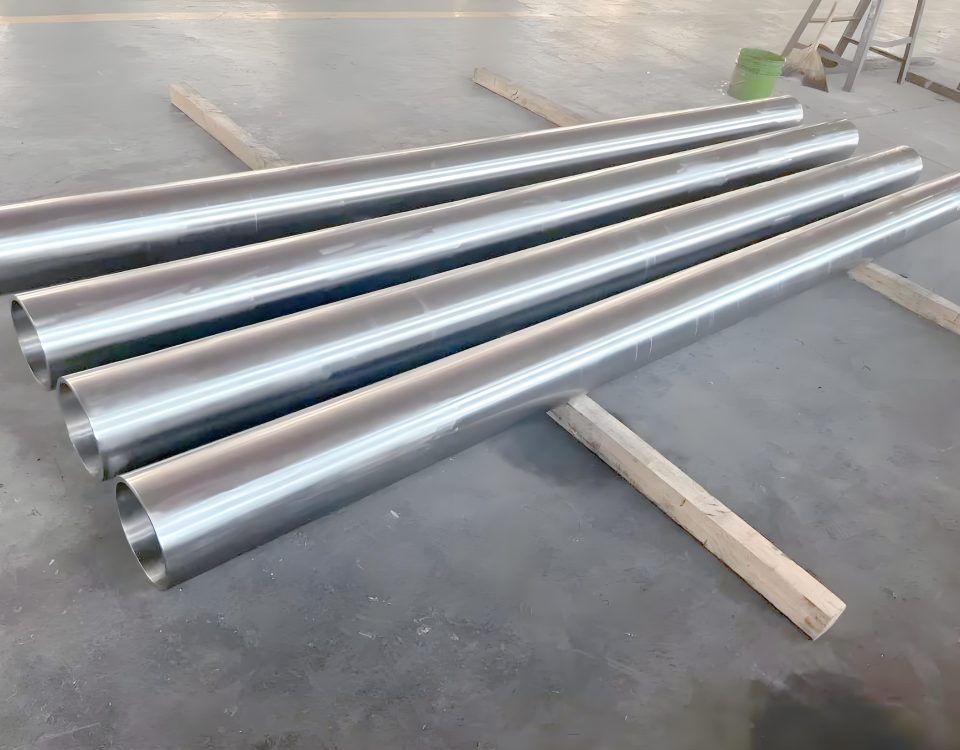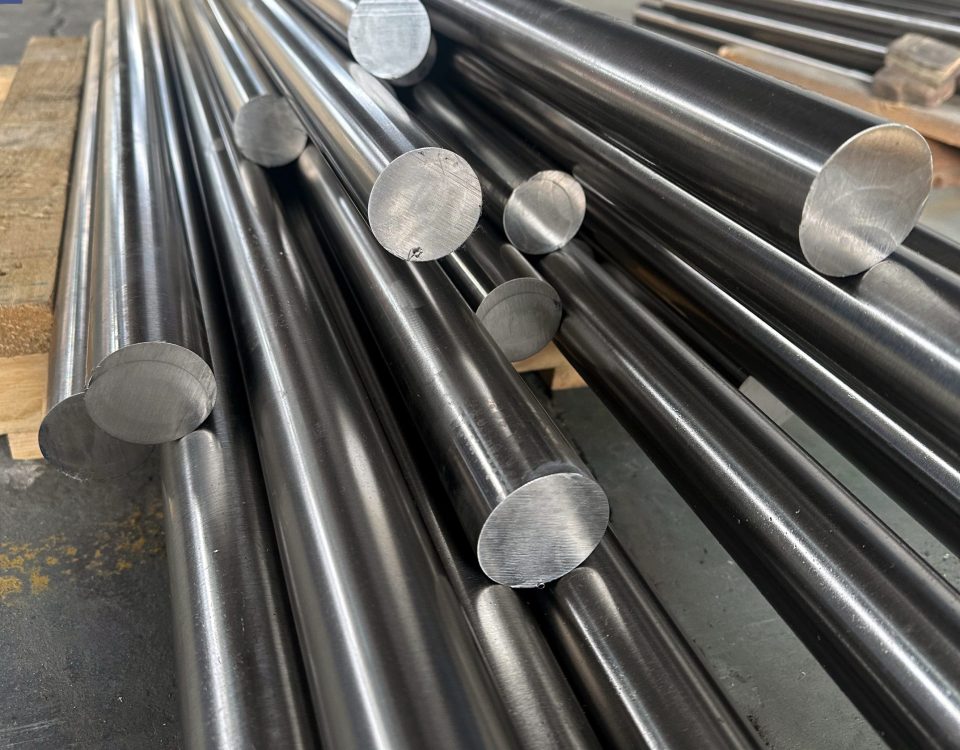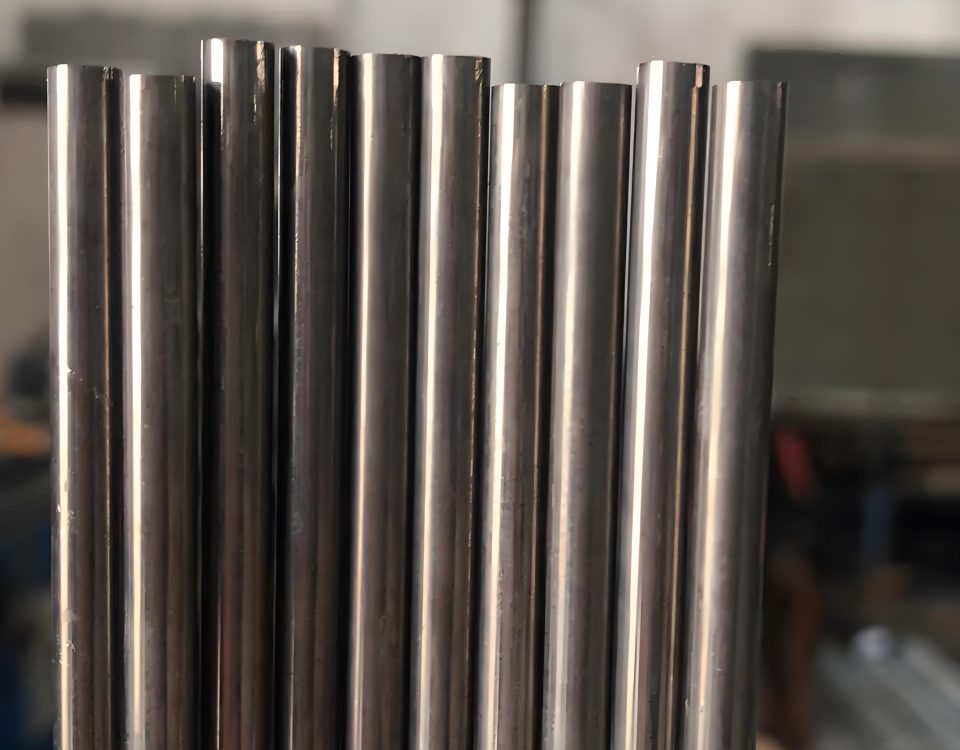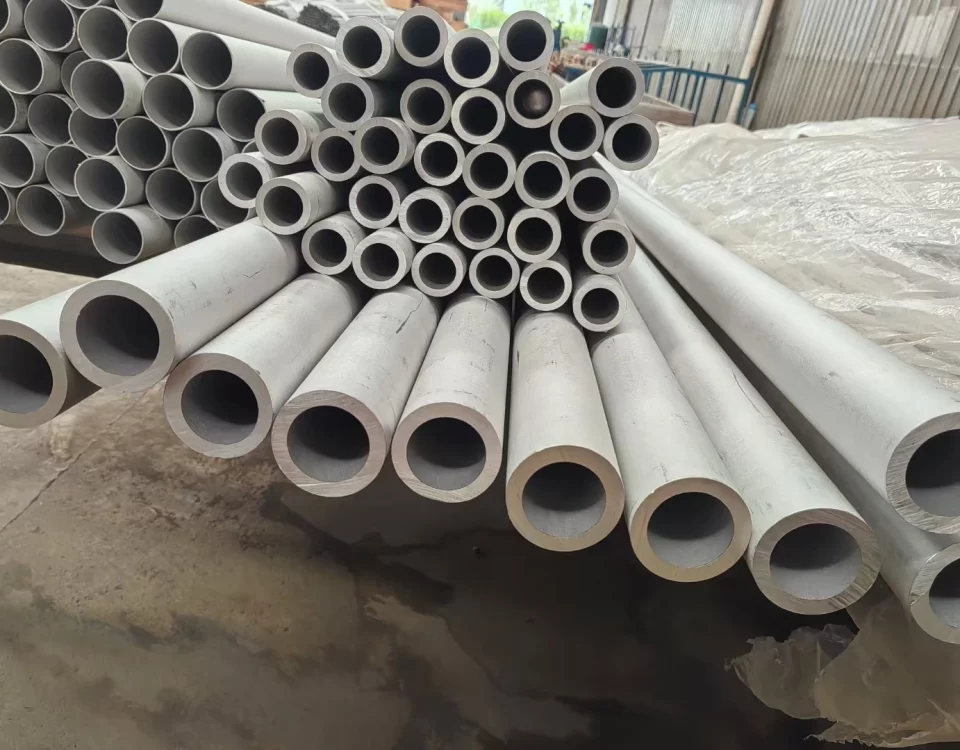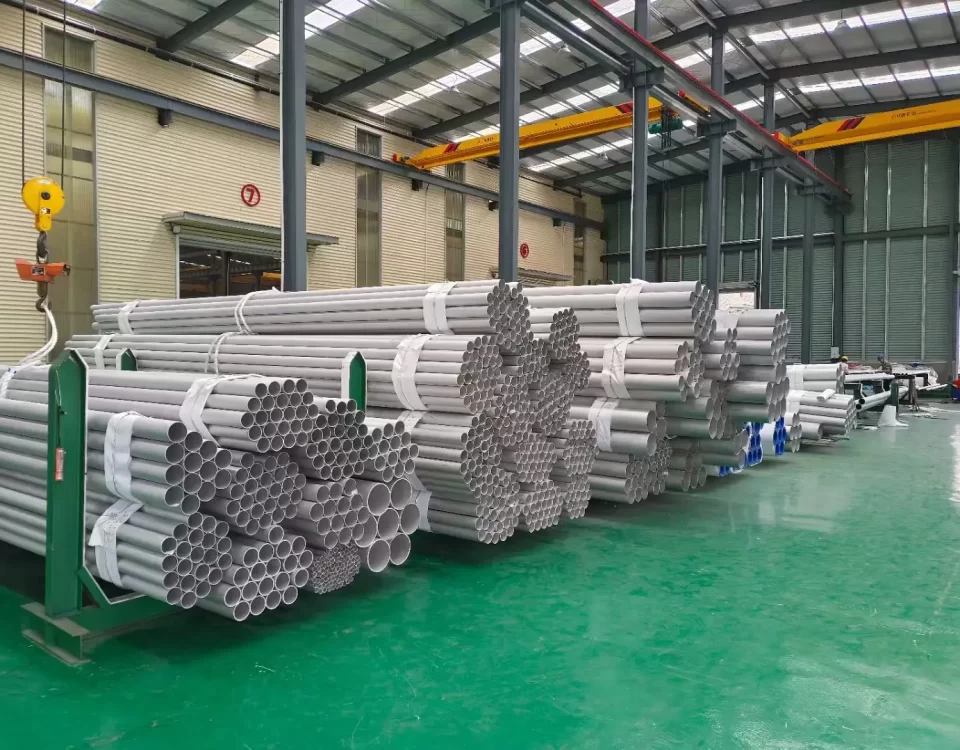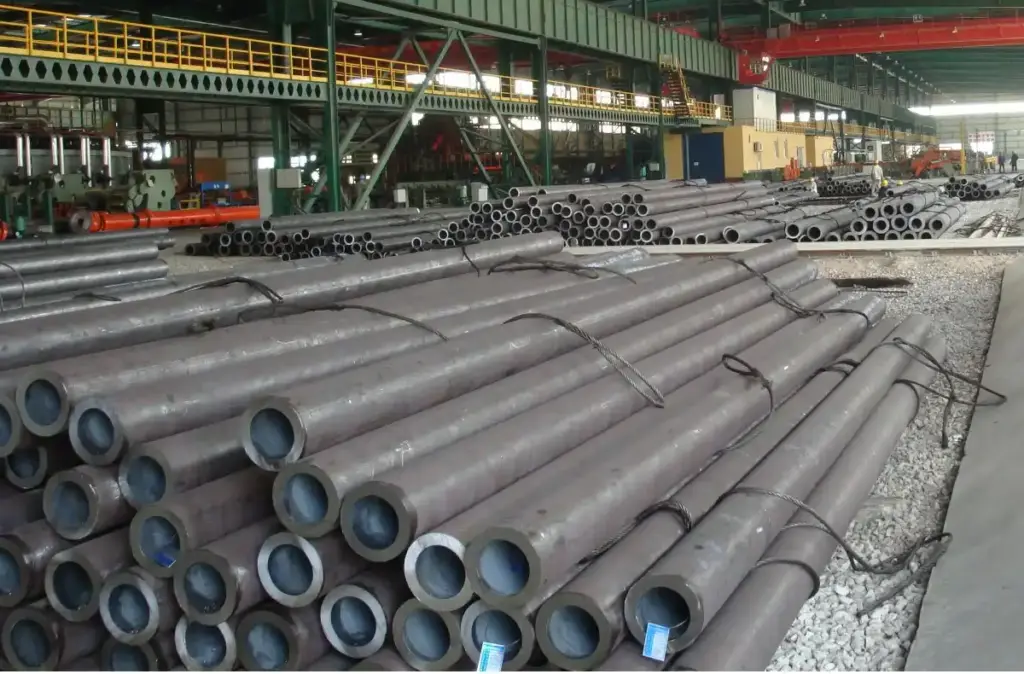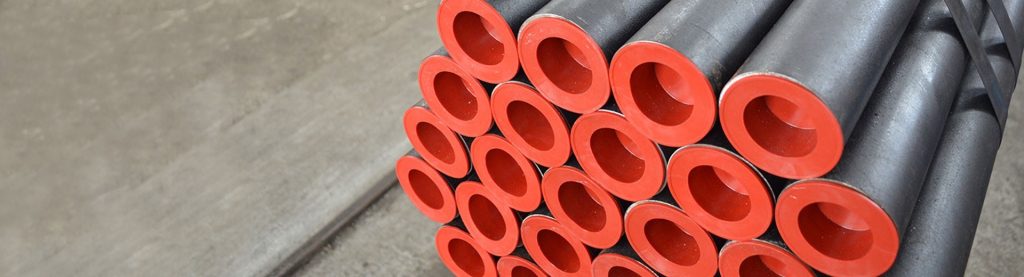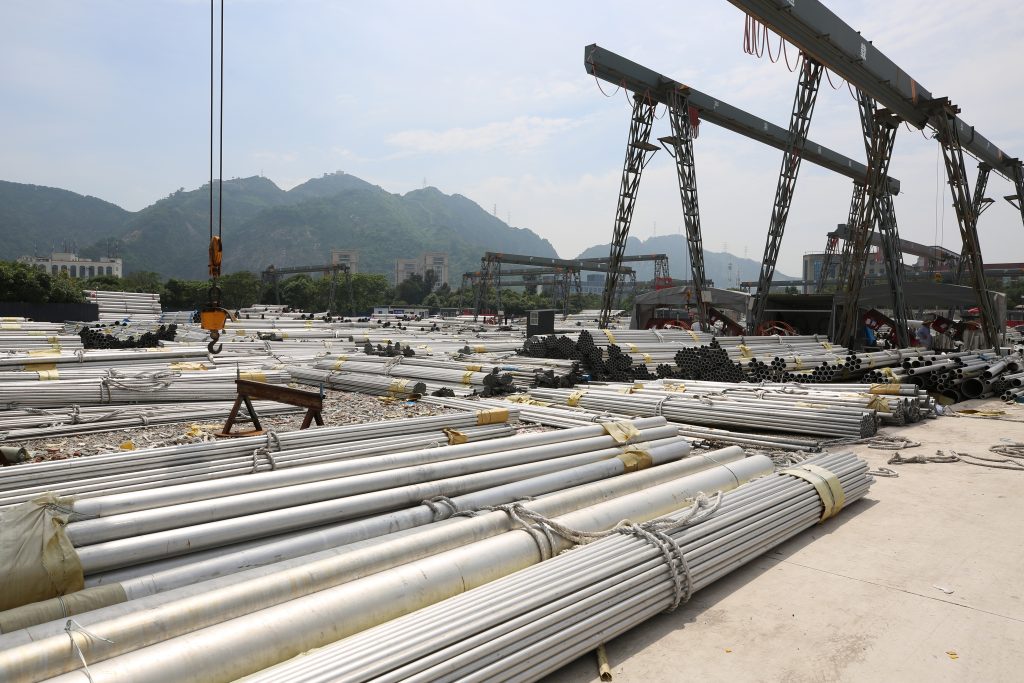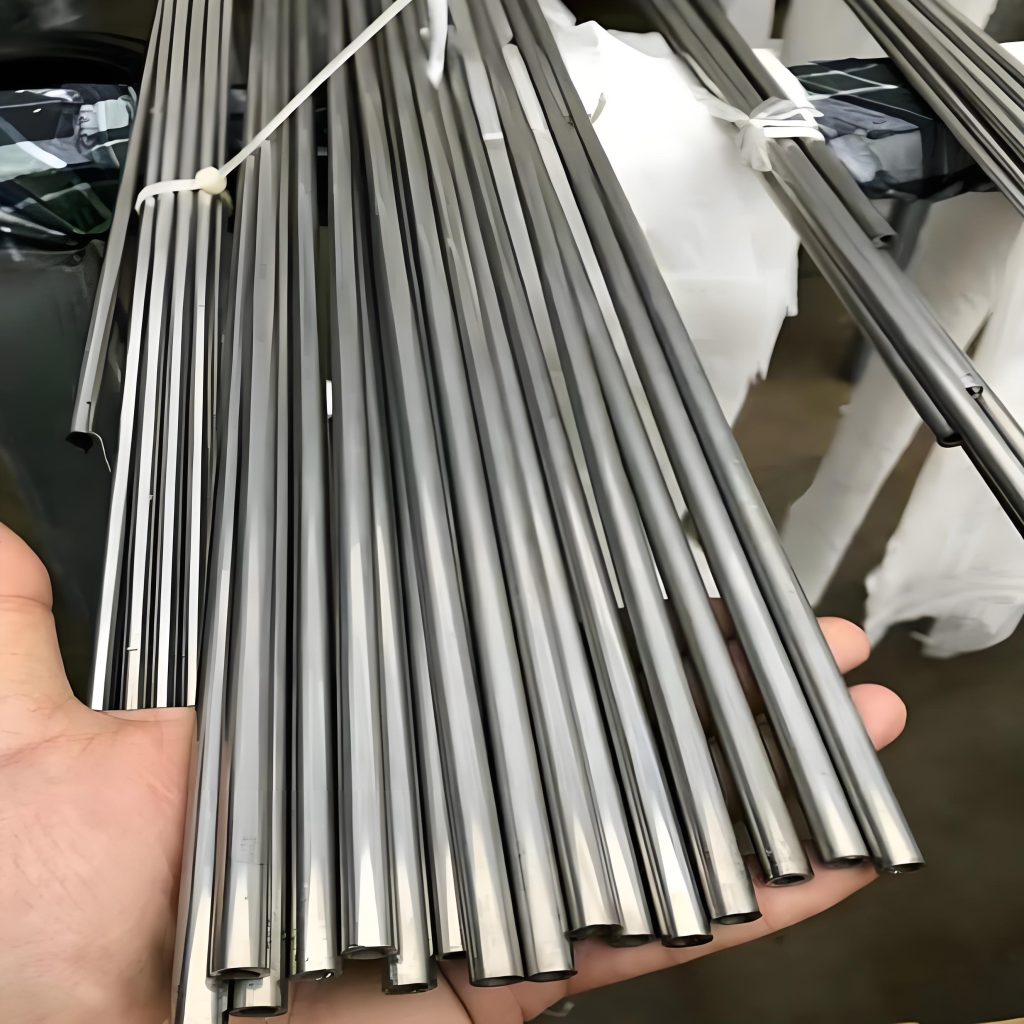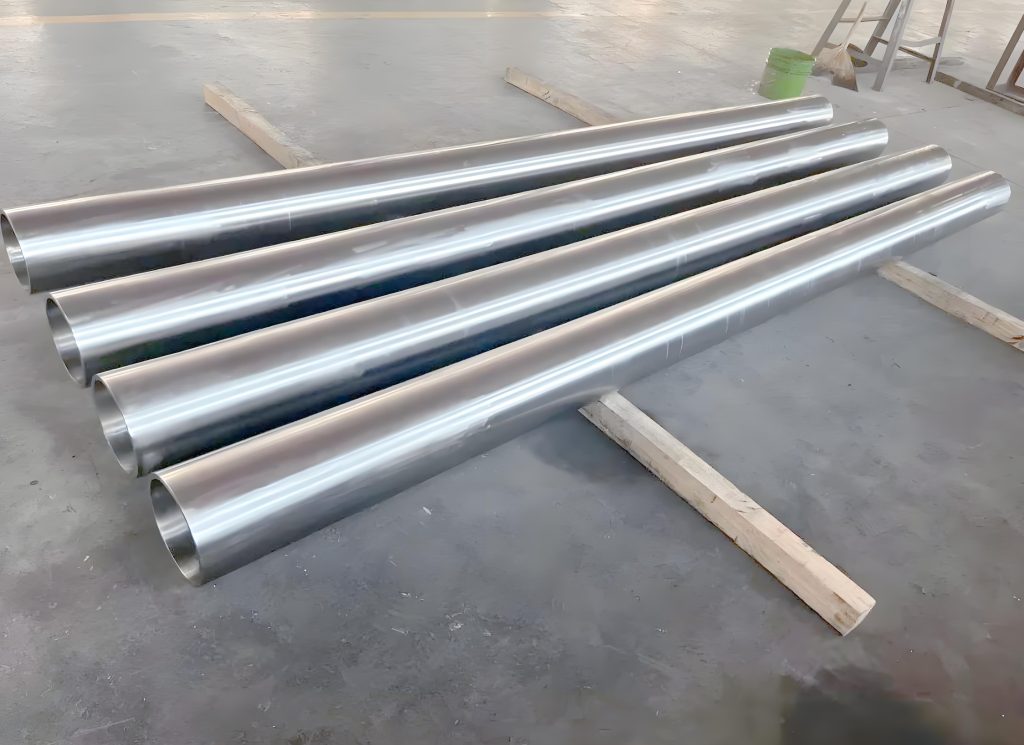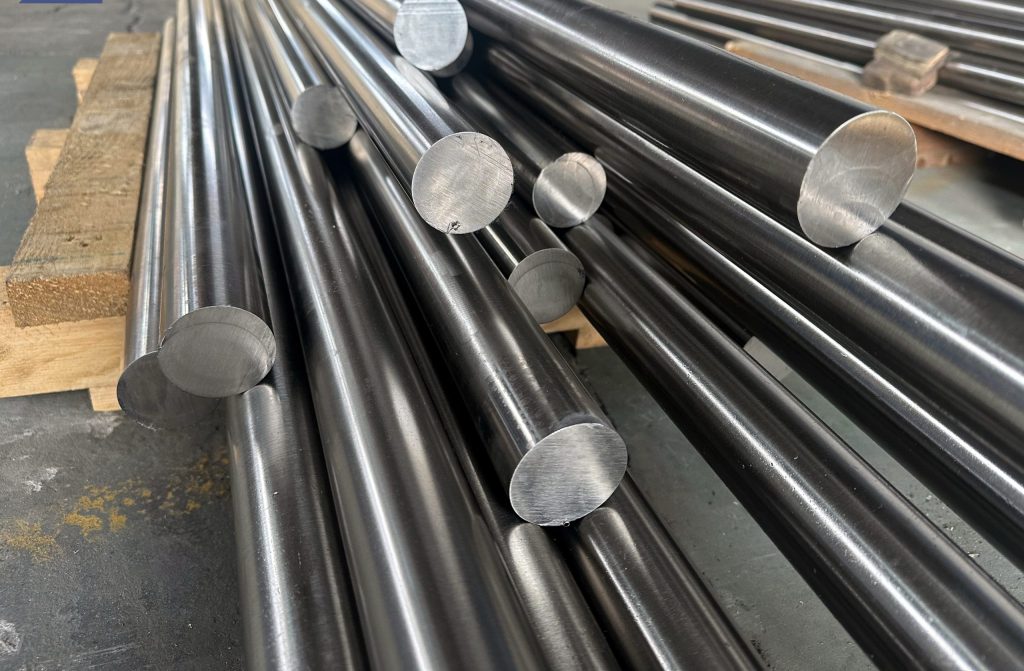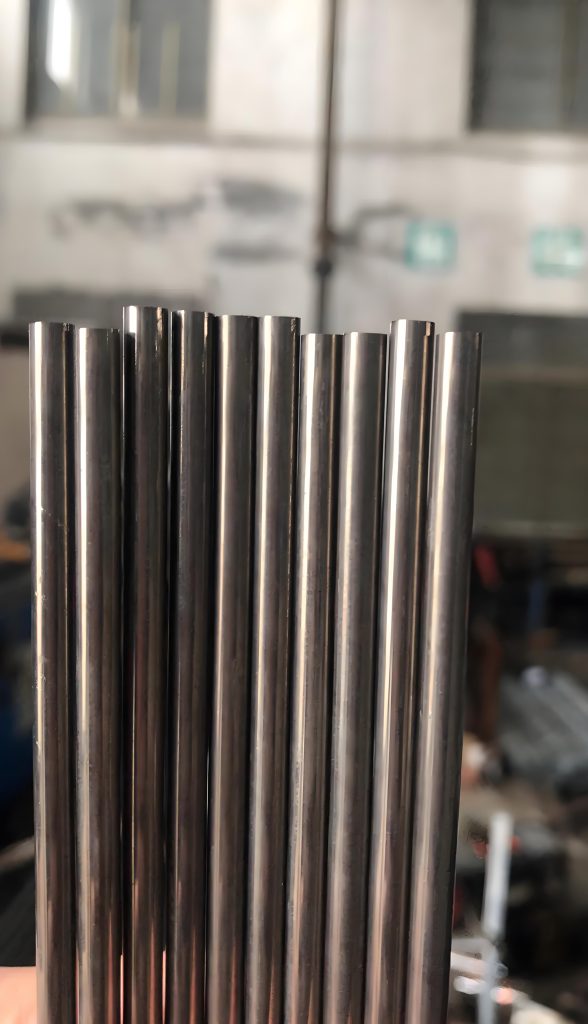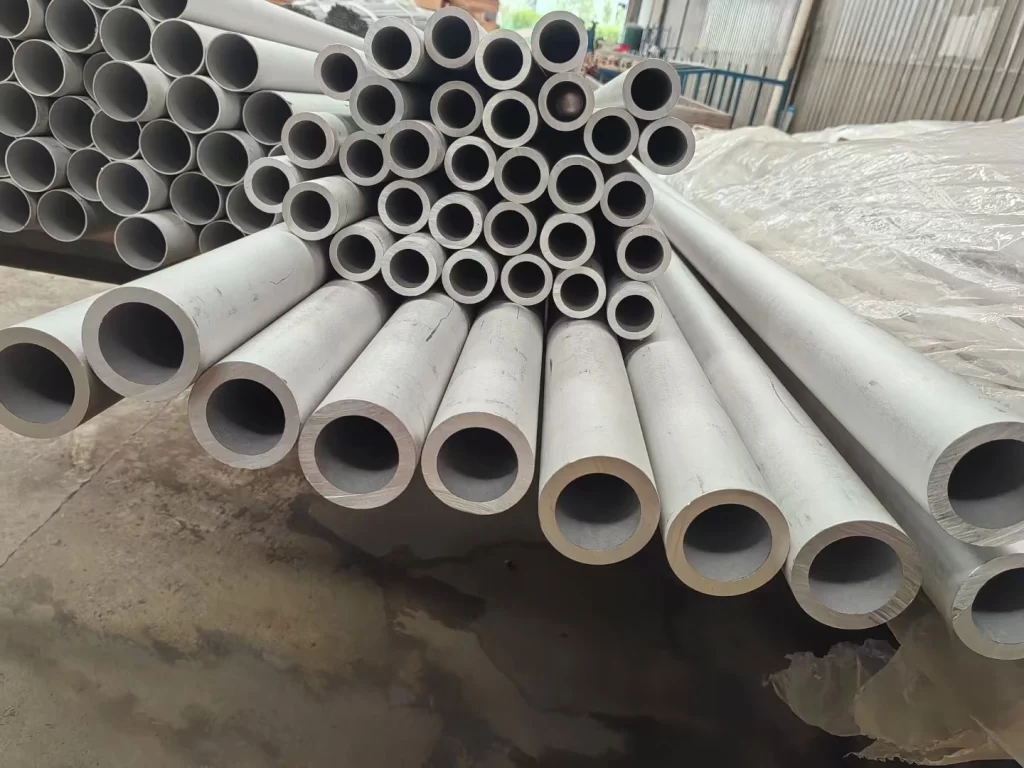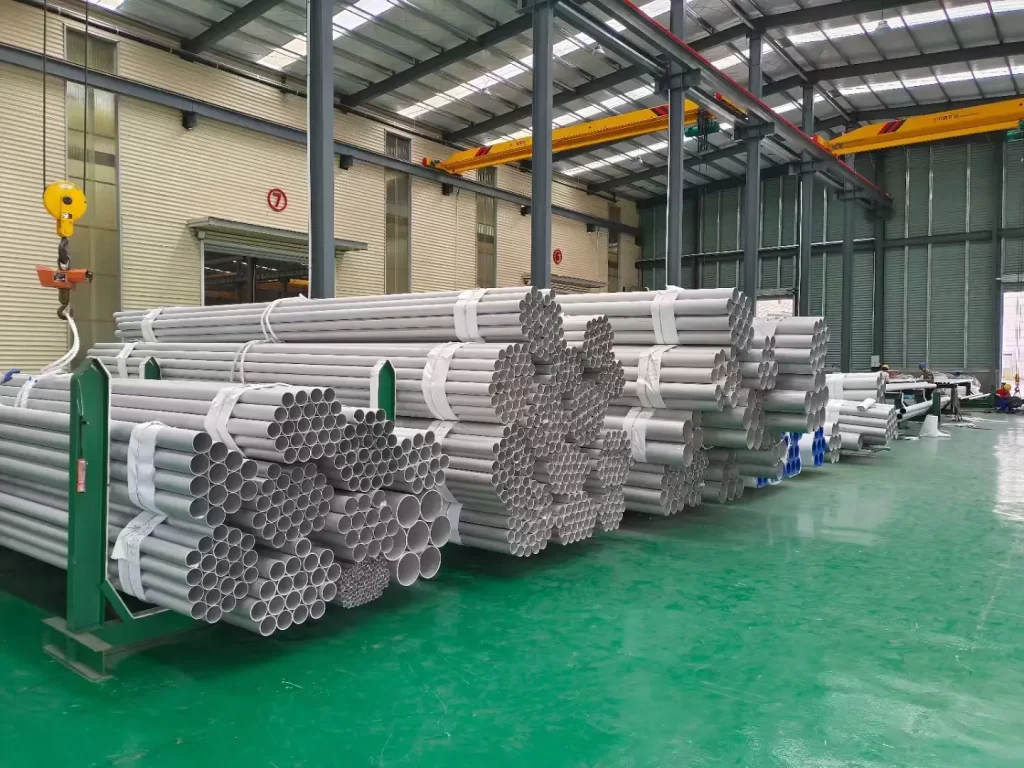
DIN 1629 Seamless Boiler Steel Pipe
July 4, 2026
Incoloy 800 (UNS N08800 / W.Nr. 1.4876) Steel Pipe
September 2, 2026
Alloy 625 Inconel® (UNS N06625 / W.Nr. 2.4856)
Nickel Alloy Steel Pipe & Fittings Specification Guide
Comprehensive technical manual detailing chemical composition, mechanical performance, elevated temperature oxidation resistance, dimensional tolerances, ASME/ASTM material standards, and custom manufacturing capabilities for seamless and welded piping systems.
DIN W.Nr. 2.4856
ASTM B444 / B705
NACE MR0175 / ISO 15156
ASME SB-444
Key Alloy 625 Technical Metrics at a Glance
1. Executive Overview & Metallurgical Engineering Profile
Alloy 625 Inconel® (UNS N06625 / W.Nr. 2.4856) is a non-magnetic, austenitic nickel-chromium-molybdenum-niobium superalloy engineered to deliver an exceptional combination of mechanical strength, high fatigue resistance, and superior corrosion resistance across operational temperatures ranging from cryogenic environments up to 1800°F (982°C).
Unlike age-hardenable nickel alloys that rely on precipitation hardening treatments (such as gamma prime or gamma double prime precipitation), the impressive strength of Alloy 625 is derived directly from the solid-solution strengthening effect of molybdenum (8.0%–10.0%) and niobium/columbium (3.15%–4.15%) dissolved within its nickel-chromium matrix. Consequently, precipitation hardening heat treatments are completely unnecessary for reaching design tensile and yield properties, simplifying post-weld processing and thermal manufacturing cycles.
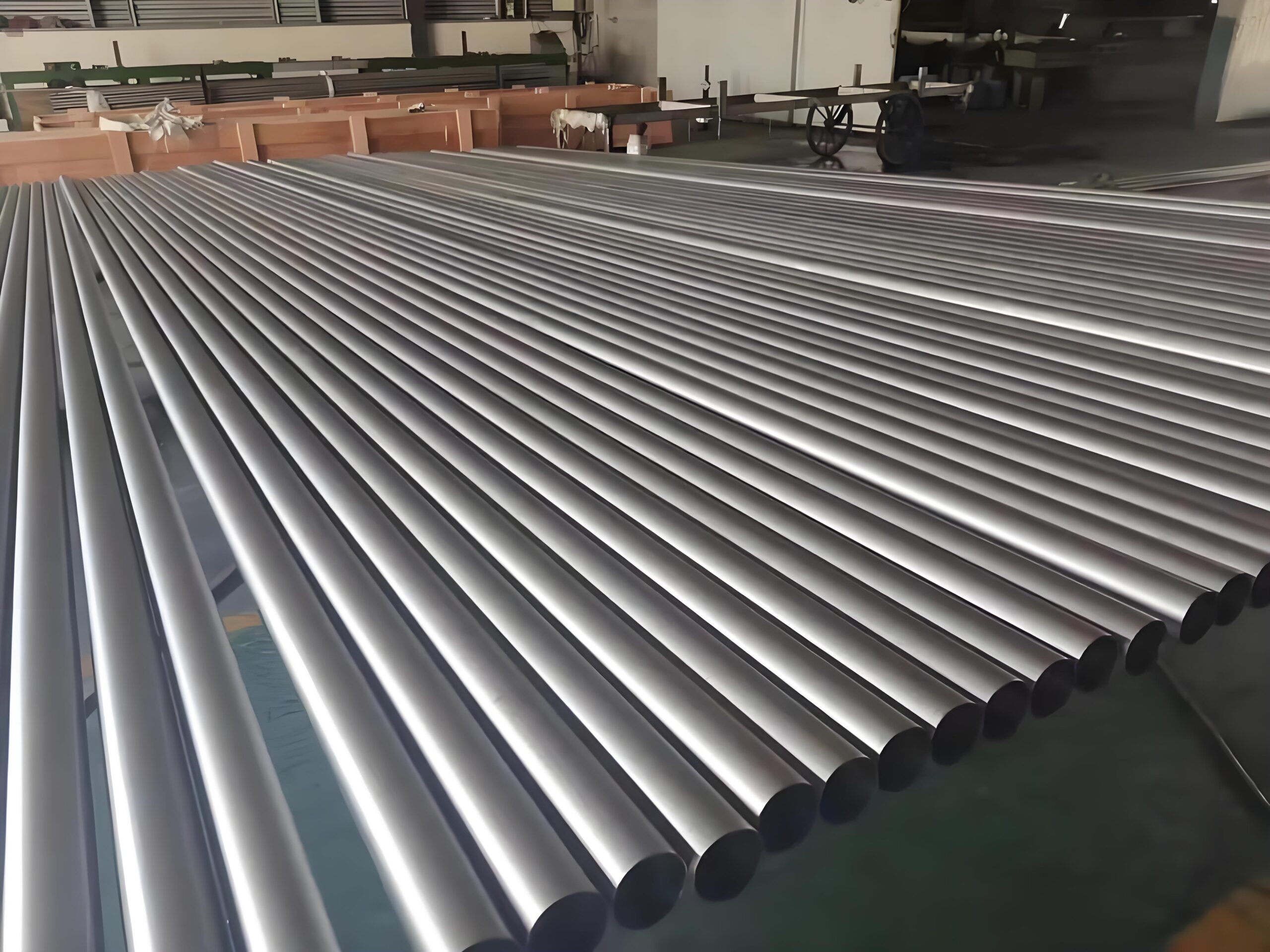
Core Metallurgical Advantages of Alloy 625 Piping Systems:
- Freedom from Chloride-Induced Stress Corrosion Cracking (SCC): High nickel content (58.0% minimum) eliminates the susceptibility to chloride ion stress corrosion cracking that commonly destroys austenitic stainless steels (304, 316, 317) in marine and process environments.
- Outstanding Resistance to Pitting and Crevice Corrosion: High molybdenum and chromium content yields a Pitting Resistance Equivalent Number (PREN) exceeding 50, providing immunity to pitting attacks in aggressive chloride-laden media, brackish water, and high-pressure geothermal fluids.
- Weld Stabilization via Niobium: The addition of niobium (columbium) ties up carbon to form stable niobium carbides (NbC), effectively preventing chromium carbide precipitation along grain boundaries during welding processes. This safeguards the heat-affected zone (HAZ) against intergranular corrosion (sensitization).
- Superior High-Temperature Oxidation and Scaling Resistance: Forms a dense, adherent protective oxide scale (Cr₂O₃ and Al₂O₃) that resists degradation under thermal cycling and high-temperature carburizing or oxidizing gas streams.
2. Comprehensive Standards & Manufacturing Specifications
ABTER Steel manufactures and supplies Alloy 625 seamless pipes, welded pipes, tube products, and pipe fittings in strict accordance with major global engineering standards, including ASTM, ASME, AMS, ISO, DIN/EN, and NACE guidelines.
| Product Form | ASTM Specification | ASME Specification | AMS Aerospace Standard | DIN / EN / ISO Standard |
|---|---|---|---|---|
| Seamless Pipe & Tube | ASTM B444 / B829 | ASME SB-444 / SB-829 | AMS 5581 | DIN 17751 / ISO 6207 |
| Welded Pipe | ASTM B705 / B704 / B474 | ASME SB-705 / SB-704 | AMS 5581 (Welded & Drawn) | EN 10217-7 / ISO 6207 |
| Buttweld Pipe Fittings | ASTM B366 | ASME SB-366 (WP625) | – | DIN 2605 / EN 10253 |
| Forged Fittings & Flanges | ASTM B564 | ASME SB-564 | AMS 5666 | DIN 17754 / EN 1092-1 |
| Plate, Sheet & Strip | ASTM B443 | ASME SB-443 | AMS 5599 / AMS 5869 | DIN 17750 / EN 10028-7 |
| Rod, Bar & Wire | ASTM B446 | ASME SB-446 | AMS 5666 / AMS 5837 | DIN 17752 / ISO 9723 |
| Sour Gas Service Standard | NACE MR0175 / ISO 15156-3 (Up to Level VII Environmental Limits; Hardness ≤ 35 HRC) | |||
3. Detailed Chemical Composition Limits (Weight %)
The chemical composition of Alloy 625 is precisely controlled to balance high temperature strength, fabricability, and corrosion resistance. The addition of Molybdenum and Niobium acts synergistically with Chromium within the solid solution matrix.
| Element Symbol | Element Name | ASTM B444 Minimum (%) | ASTM B444 Maximum (%) | Primary Metallurgical Function |
|---|---|---|---|---|
| Ni | Nickel | 58.00 | Balance | Provides matrix stability, chloride SCC immunity, alkali resistance |
| Cr | Chromium | 20.00 | 23.00 | Imparts oxidizing acid resistance and high-temp oxidation resistance |
| Mo | Molybdenum | 8.00 | 10.00 | Solid-solution strengthening, provides non-oxidizing acid & pitting resistance |
| Nb + Ta | Niobium + Tantalum | 3.15 | 4.15 | Matrix strengthening, prevents sensitization & intergranular corrosion |
| Fe | Iron | – | 5.00 | Controlled residual element from melt processing |
| C | Carbon | – | 0.10 (0.03 max for Grade 1) | Kept low to ensure high ductility and minimize carbide precipitation |
| Mn | Manganese | – | 0.50 | Deoxidizer and hot workability modifier |
| Si | Silicon | – | 0.50 | Deoxidizer; kept low to prevent silicide segregation |
| P | Phosphorus | – | 0.015 | Impurity limit to prevent hot cracking in weldments |
| S | Sulfur | – | 0.015 | Impurity limit to ensure grain boundary cohesion and corrosion resistance |
| Al | Aluminum | – | 0.40 | Deoxidizer and high-temperature protective oxide builder |
| Ti | Titanium | – | 0.40 | Carbide/nitride former for structural stabilization |
| Co | Cobalt | – | 1.00 | Restricted to 0.10% max for nuclear application grade |
4. Mechanical Properties & Heat Treatment Conditions
ASTM B444 classifies Alloy 625 pipe and tubing into two distinct heat-treated conditions depending on the intended operational temperature and mechanical performance requirements:
Grade 1 (Annealed)
Heat Treatment: Soft annealed at 1600°F to 1900°F (871°C to 1038°C).
Primary Application: Designed for operational temperatures up to 1100°F (593°C). Provides optimum combination of high room-temperature yield strength, ductility, and resistance to fatigue and wet corrosion.
Grade 2 (Solution Annealed)
Heat Treatment: Solution annealed at 2000°F to 2200°F (1093°C to 1204°C) followed by rapid quenching.
Primary Application: Engineered specifically for service temperatures above 1100°F (593°C) where high creep and stress-rupture resistance are vital.
| Property / Parameter | Grade 1 (Annealed) Minimum | Grade 2 (Solution Annealed) Minimum | Typical Heavy Wall / Cold Worked |
|---|---|---|---|
| Tensile Strength, min. ksi (MPa) | 120 ksi (827 MPa) | 100 ksi (690 MPa) | 140 – 160 ksi (965 – 1103 MPa) |
| 0.2% Yield Strength, min. ksi (MPa) | 60 ksi (414 MPa) | 40 ksi (276 MPa) | 75 – 110 ksi (517 – 758 MPa) |
| Elongation in 2 in. (50mm), min. % | 30 % | 30 % | 25 – 50 % |
| Hardness (Brinell HBW / Rockwell B) | 175 – 240 HBW / 88-98 HRB | 145 – 220 HBW / 80-95 HRB | Max 35 HRC (NACE limit) |
| Charpy V-Notch Impact Energy (-320°F / -196°C) | > 50 ft-lbs (68 Joules) | > 60 ft-lbs (81 Joules) | Retains high toughness down to cryogenic |
5. Physical & Thermal Properties Profile
Understanding the physical parameters of Alloy 625 is critical for thermal calculation, piping stress analysis, and fluid thermal expansion calculations in high-temperature engineering projects.
| Physical Property | Metric Units | Imperial Units |
|---|---|---|
| Density | 8.44 g/cm³ | 0.305 lb/in³ |
| Melting Point Range | 1290 – 1350 °C | 2350 – 2460 °F |
| Modulus of Elasticity (21°C / 70°F) | 208 GPa | 30.1 x 10⁶ psi |
| Poisson’s Ratio | 0.308 | 0.308 |
| Thermal Conductivity (21°C / 70°F) | 9.8 W/m·K | 68 Btu·in/ft²·h·°F |
| Thermal Conductivity (540°C / 1000°F) | 17.5 W/m·K | 121 Btu·in/ft²·h·°F |
| Specific Heat (21°C / 70°F) | 427 J/kg·K | 0.102 Btu/lb·°F |
| Mean Coeff. of Thermal Expansion (20-100°C / 68-212°F) | 12.8 μm/m·°C | 7.1 x 10⁻⁶ in/in·°F |
| Electrical Resistivity (21°C / 70°F) | 1.29 μΩ·m | 776 Ω·circ mil/ft |
| Magnetic Permeability (at 200 Oersted) | 1.0006 Max | Virtually Non-magnetic |
6. Alloy 625 Pipe Dimensions & Weight Chart (ASME B36.19M / B36.10M)
ABTER Steel manufactures Alloy 625 seamless and welded pipes in standard dimensions from 1/2″ NB to 24″ NB. Below is the technical weight chart based on an alloy density of 8.44 g/cm³.
| NPS (Inches) | DN (mm) | Outside Dia (mm) | Schedule 10S Wall (mm) / Wt (kg/m) | Schedule 40S Wall (mm) / Wt (kg/m) | Schedule 80S Wall (mm) / Wt (kg/m) | Schedule 160 Wall (mm) / Wt (kg/m) |
|---|---|---|---|---|---|---|
| 1/2″ | DN15 | 21.34 | 2.11 mm | 1.02 kg/m | 2.77 mm | 1.29 kg/m | 3.73 mm | 1.65 kg/m | 4.78 mm | 1.99 kg/m |
| 3/4″ | DN20 | 26.67 | 2.11 mm | 1.30 kg/m | 2.87 mm | 1.71 kg/m | 3.91 mm | 2.23 kg/m | 5.56 mm | 2.94 kg/m |
| 1″ | DN25 | 33.40 | 2.77 mm | 2.13 kg/m | 3.38 mm | 2.55 kg/m | 4.55 mm | 3.29 kg/m | 6.35 mm | 4.31 kg/m |
| 1-1/2″ | DN40 | 48.26 | 2.77 mm | 3.16 kg/m | 3.68 mm | 4.12 kg/m | 5.08 mm | 5.50 kg/m | 7.14 mm | 7.36 kg/m |
| 2″ | DN50 | 60.33 | 2.77 mm | 4.00 kg/m | 3.91 mm | 5.53 kg/m | 5.54 mm | 7.61 kg/m | 8.74 mm | 11.30 kg/m |
| 3″ | DN80 | 88.90 | 3.05 mm | 6.57 kg/m | 5.49 mm | 11.48 kg/m | 7.62 mm | 15.53 kg/m | 11.13 mm | 21.72 kg/m |
| 4″ | DN100 | 114.30 | 3.05 mm | 8.52 kg/m | 6.02 mm | 16.35 kg/m | 8.56 mm | 22.71 kg/m | 13.49 mm | 34.11 kg/m |
| 6″ | DN150 | 168.28 | 3.40 mm | 14.07 kg/m | 7.11 mm | 28.75 kg/m | 10.97 mm | 43.28 kg/m | 18.26 mm | 68.74 kg/m |
| 8″ | DN200 | 219.08 | 3.76 mm | 20.32 kg/m | 8.18 mm | 43.30 kg/m | 12.70 mm | 65.74 kg/m | 22.23 mm | 109.80 kg/m |
| 10″ | DN250 | 273.05 | 4.19 mm | 28.27 kg/m | 9.27 mm | 61.35 kg/m | 12.70 mm | 82.95 kg/m | 28.58 mm | 175.20 kg/m |
| 12″ | DN300 | 323.85 | 4.57 mm | 36.62 kg/m | 9.52 mm | 75.05 kg/m | 12.70 mm | 99.15 kg/m | 33.32 mm | 242.80 kg/m |
7. Dimensional Tolerances for Alloy 625 Seamless & Welded Pipe (ASTM B829)
Strict adherence to dimensional tolerances ensures precise alignability during field butt-welding and structural integration into high-pressure plant installations.
| Specified Outside Diameter (OD) | OD Over Tolerance (+ mm) | OD Under Tolerance (- mm) | Wall Thickness Tolerance (%) |
|---|---|---|---|
| 1/8″ to 1-1/2″ (10.3 mm – 48.3 mm) | + 0.40 mm | – 0.40 mm | + 12.5% / – 12.5% |
| Over 1-1/2″ to 3-1/2″ (48.3 mm – 88.9 mm) | + 0.79 mm | – 0.79 mm | + 12.5% / – 12.5% |
| Over 3-1/2″ to 5-1/2″ (88.9 mm – 139.7 mm) | + 1.19 mm | – 1.19 mm | + 12.5% / – 12.5% |
| Over 5-1/2″ to 8-5/8″ (139.7 mm – 219.1 mm) | + 1.59 mm | – 1.59 mm | + 12.5% / – 12.5% |
| Over 8-5/8″ to 18″ (219.1 mm – 457.0 mm) | + 2.38 mm | – 0.79 mm | + 12.5% / – 12.5% |
8. Inconel 625 Pipe Fittings & Flanges Program
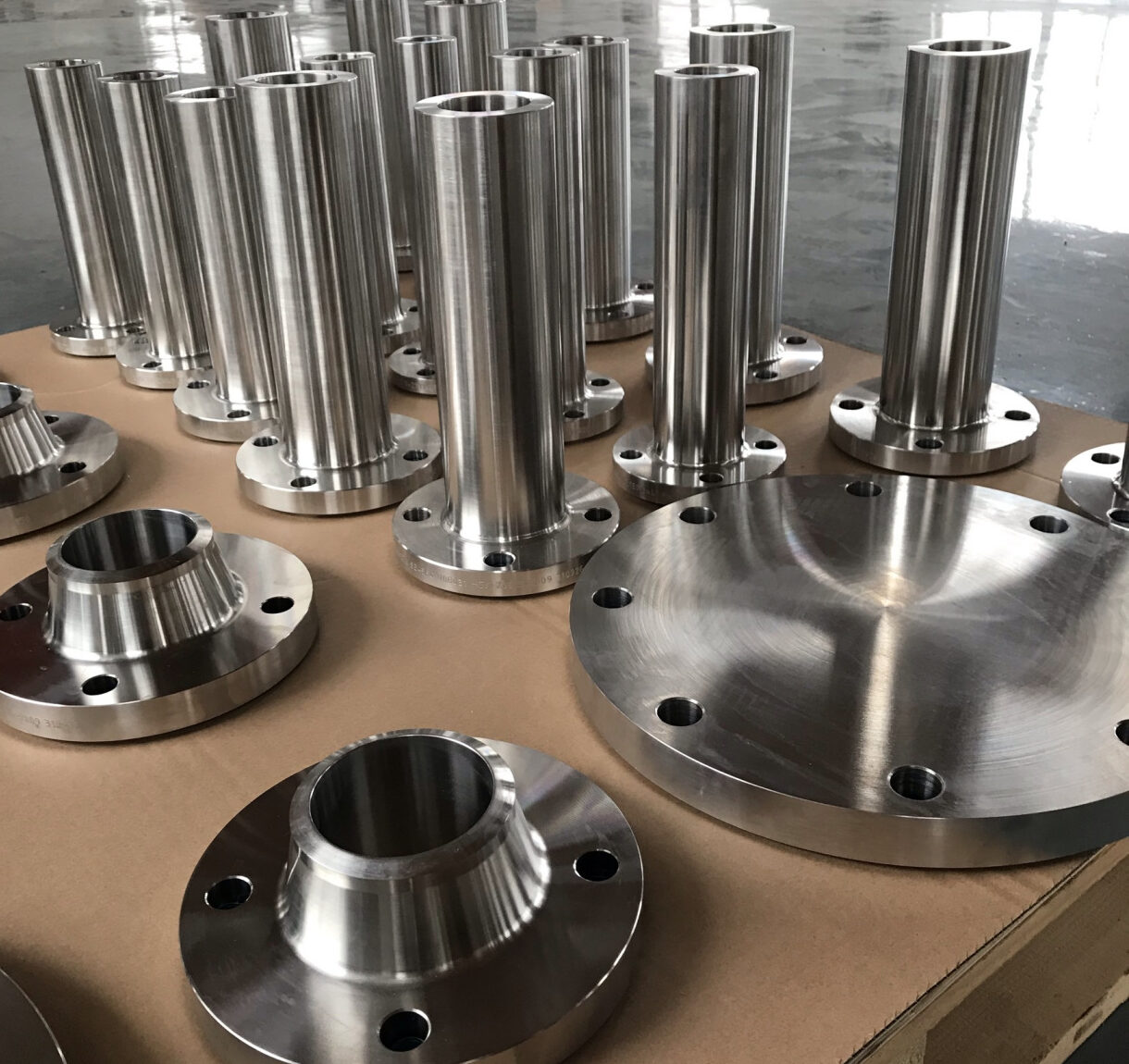
To provide complete piping system solutions, ABTER Steel manufactures a comprehensive suite of Alloy 625 (UNS N06625) buttweld fittings, forged socket weld fittings, threaded fittings, and ASME B16.5 flanges.
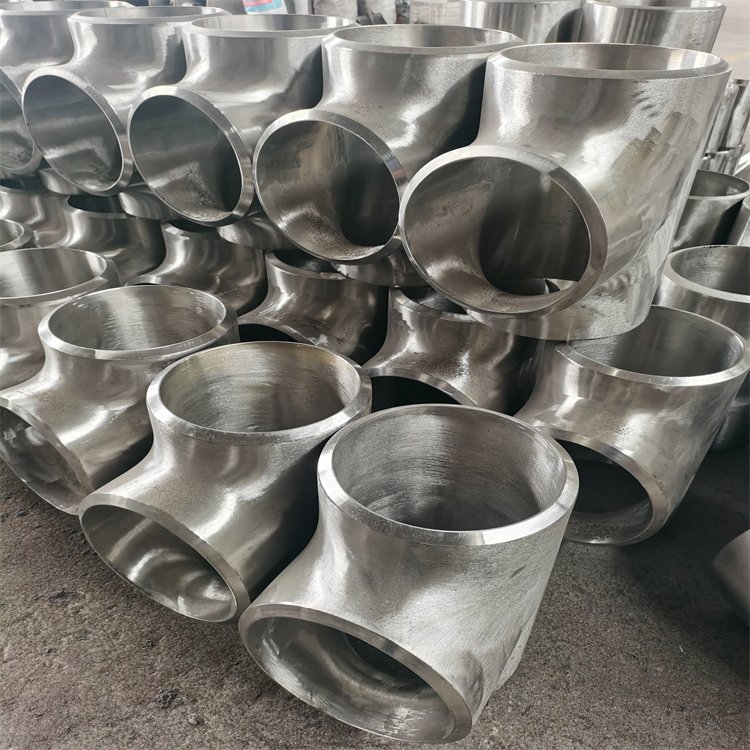
Buttweld Fittings (ASME B16.9 / ASTM B366 WP625)
- Elbows: 45° Long Radius, 90° Long Radius, 90° Short Radius, 180° Return Bends.
- Tees: Equal Tees, Reducing Tees, Barred Tees for Pigging lines.
- Reducers: Concentric Reducers, Eccentric Reducers.
- Caps & Stub Ends: ASME B16.9 Pipe Caps, Pattern A Lap Joint Stub Ends.
- Manufacturing Process: Mandrel forming, hot pressing, cold hydraulic forming followed by full Grade 1 or Grade 2 solution heat treatment.
Forged Flanges (ASME B16.5 / B16.47 / ASTM B564)
- Flange Types: Weld Neck (WN), Slip-On (SO), Blind (BL), Socket Weld (SW), Threaded (TH), Lap Joint (LJ).
- Pressure Classes: Class 150, 300, 600, 900, 1500, 2500 lbs and API 5K / 10K / 15K.
- Facing Types: Raised Face (RF), Ring Type Joint (RTJ), Flat Face (FF), Tongue & Groove.
- Testing: 100% Ultrasonic Testing (UT) to ASTM A388, PMI Verification, Hardness Testing.
9. Corrosion Resistance Performance in Severe Chemical Media
Alloy 625 delivers exceptional multi-environmental corrosion resistance, solving chemical processing problems involving both oxidizing and reducing media.
| Corrosive Environment / Acid Media | Concentration & Temperature | Corrosion Rate / Resistance Level | Comparative Material Advantage |
|---|---|---|---|
| Hydrochloric Acid (HCl) | 10% Conc. at 66°C (150°F) | < 0.25 mm/year (10 mpy) | Far superior to 316L and Duplex 2205 |
| Sulfuric Acid (H₂SO₄) | 15% Conc. at Boiling | < 0.12 mm/year (5 mpy) | Excellent resistance to non-oxidizing acid |
| Nitric Acid (HNO₃) | 65% Boiling Nitric Acid (ASTM G28A) | Passes intergranular test | High chromium Content provides passive film |
| Phosphoric Acid (H₃PO₄) | 85% Conc. at Boiling | < 0.08 mm/year (3 mpy) | Ideal for wet process phosphoric acid production |
| Seawater Marine Pitting / Crevice | Ambient to 50°C Ambient & Flowing | Zero Pitting Attack (CPT > 85°C) | Immune to marine bio-fouling pitting |
| Wet Sour Gas (H₂S + CO₂ + Cl⁻) | NACE Level VII Extreme Sour Wells | Immune to Sulfide Stress Cracking (SSC) | Standard cladding & piping material for HPHT sour wells |
10. High-Temperature Creep-Rupture & Allowable Stress Values
In high-temperature boiler, petrochemical, and aerospace design, maximum allowable design stress limits are specified by ASME Boiler and Pressure Vessel Code (BPVC) Section VIII Division 1.
| Temperature (°F / °C) | Grade 1 Allowable Stress (ksi / MPa) | Grade 2 Allowable Stress (ksi / MPa) | 100,000-Hour Rupture Strength (Grade 2) |
|---|---|---|---|
| 100°F / 38°C | 30.0 ksi (207 MPa) | 25.0 ksi (172 MPa) | – |
| 600°F / 316°C | 26.8 ksi (185 MPa) | 21.1 ksi (145 MPa) | – |
| 1000°F / 538°C | 24.0 ksi (165 MPa) | 18.5 ksi (128 MPa) | 70 ksi (483 MPa) |
| 1200°F / 649°C | Grade 1 Limit Exceeded | 16.2 ksi (112 MPa) | 30 ksi (207 MPa) |
| 1400°F / 760°C | – | 8.2 ksi (56.5 MPa) | 13 ksi (89.6 MPa) |
| 1600°F / 871°C | – | 3.5 ksi (24.1 MPa) | 5.2 ksi (35.8 MPa) |
11. Fabrication, Hot Forming & Machining Parameters
Alloy 625 can be readily fabricated by standard industrial techniques. However, due to its high work-hardening rate and high elevated-temperature yield strength, specialized machining and hot-working procedures are required.
Hot Working Guidelines
Starting Temperature: 2100°F to 2150°F (1149°C to 1177°C).
Finish Temperature: Do not continue heavy hot working below 1850°F (1010°C) to prevent severe grain refinement gradients and cracking.
Light Finishing: Can be performed down to 1600°F (871°C) to achieve fine grain sizes for Grade 1 requirements.
Machining & Tooling Recommendations
Tooling Type: Cemented Carbide (ISO P20-P30 or C-2 Grade) with positive rake angles.
Cutting Speed: 35 – 50 surface feet per minute (SFPM) for turning with high-speed tool steel; 80 – 140 SFPM with carbide tooling.
Feed Rate & Depth: Use heavy, positive feeds (0.015 – 0.025 in/rev) to cut beneath the work-hardened layer created by previous passes.
12. Welding Metallurgy & Filler Metal Selection
Alloy 625 possesses outstanding weldability and can be joined using Gas Tungsten Arc Welding (GTAW/TIG), Gas Metal Arc Welding (GMAW/MIG), Shielded Metal Arc Welding (SMAW), and Submerged Arc Welding (SAW).
| Welding Process | AWS Filler Wire / Electrode Specification | Shielding Gas / Flux Parameters | Interpass Temp & Post Weld Heat Treatment |
|---|---|---|---|
| GTAW (TIG Welding) | AWS A5.14 ERNiCrMo-3 | 100% Argon or Ar/He mixture (Backing gas mandatory) | Max Interpass: 100°C (212°F); PWHT Not required |
| GMAW (MIG Welding) | AWS A5.14 ERNiCrMo-3 | 75% Ar / 25% He or Ar + 2% N₂ | Max Interpass: 100°C (212°F); Low heat input required |
| SMAW (Stick Welding) | AWS A5.11 ENiCrMo-3 | Basic Flux Coating (Dry electrodes at 250°C before use) | Clean slag completely between passes to avoid inclusion |
| Dissimilar Welding | ERNiCrMo-3 / ENiCrMo-3 | Joins Alloy 625 to 9% Ni Steels, Stainless Steel, Carbon Steel | High tolerance for dilution without hot cracking |
13. Global Equivalent Standards & Cross-Reference Matrix
Alloy 625 is specified under numerous international designation systems. The table below outlines the direct cross-reference designations across global engineering standards:
| UNS Designation | Werkstoff Nr. | EN Designation | JIS Standard | AFNOR France | GOST Russia |
|---|---|---|---|---|---|
| UNS N06625 | 2.4856 | NiCr22Mo9Nb | NCF 625 | NC22DNB4M | ХН75МБТЮ |
14. Major Industrial Applications & Engineering Solutions
Oil & Gas Subsea & Sour Wells
Used extensively in deepwater risers, subsea manifold piping, flowlines, and line pipe cladding protecting against wet H₂S, CO₂, elemental sulfur, and high-pressure chlorides up to 15,000 psi.
Chemical Processing Plants
Reaction vessels, distillation columns, heat exchanger tubing, and transfer piping handling mixed hot organic/mineral acids, acetic anhydride, and hydrofluoric acid streams.
Aerospace & Propulsion Systems
Aircraft engine exhaust ducting, thrust reverser assemblies, turbine shroud rings, fuel lines, and high-temperature bellows operating under continuous thermal vibration.
Marine & Naval Systems
Submarine auxiliary piping, propulsion shafting, heat exchangers, sonar domes, and critical fittings exposed to high-velocity seawater and crevice conditions.
Nuclear Power Generation
Reactor core components, control rod drive mechanism tubing, and advanced high-temperature gas reactor piping due to high design stress allowable limits up to 1400°F.
Environmental & FGD Systems
Flue gas desulfurization (FGD) scrubbers, reheaters, damper blades, and waste incineration cooling loops exposed to highly acidic sulfuric and hydrochloric condensation.
15. Quality Assurance, Inspection & NDT Testing Standards
Every length of Alloy 625 pipe and fitting supplied by ABTER Steel undergoes rigorous Non-Destructive Testing (NDT) and quality inspection in accordance with EN 10204 3.1 / 3.2 certification requirements.
| Test Type | Test Standard & Protocol | Acceptance Criteria |
|---|---|---|
| Hydrostatic Pressure Testing | ASTM B829 / ASME B31.3 | 100% testing at pressures calculated up to 5000 psi (34.5 MPa); held for min 10 sec |
| Ultrasonic Inspection (UT) | ASTM E213 / SEP 1915 | 100% volumetric examination for longitudinal and transverse flaws |
| Radiographic Testing (RT) | ASTM E94 / ASME Sec V Art 2 | 100% X-ray testing on weld seams of ASTM B705 welded pipes |
| Positive Material Identification (PMI) | XRF / OES Spectrometry | 100% elemental verification against ASTM B444 / B705 compositional windows |
| Intergranular Corrosion Testing | ASTM G28 Method A / ISO 3651-2 | No sensitization; corrosion rate under maximum threshold |
| Grain Size Determination | ASTM E112 Microstructural Examination | Grade 1: Grain size ASTM 5 or finer; Grade 2: Grain size ASTM 5 or coarser |
Need Fast-Turnaround or Non-Standard Alloy 625 Piping Solutions?
ABTER Steel specializes in just-in-time custom manufacturing of Alloy 625 (UNS N06625) seamless and welded pipes from 2-1/16” to 10-3/4” OD with heavy wall thicknesses up to 1.925” (48.9 mm). We handle non-standard schedules, expedited emergency deliveries, custom cut-to-length project runs, and full third-party inspection packages (SGS, TUV, BV, Lloyd’s).